Read the full guideArrival, planning and local advice
Opening status & season (not verified)
Current opening status and seasonal closure dates were not confirmed in the checked official information. Check with the operator for your travel dates.
Department of Conservation: Holly Hut Campsite
Prices & fee basis
Camping outside the hut: adult (18+) NZ$15 per night; youth (5–17) NZ$7.50; ages 0–4 free. These are camping fees, separate from the higher bunk rates.
Department of Conservation: Holly Hut Campsite
Booking & official information (not verified)
DOC says outdoor camping is paid with hut tickets, while its reservation section describes bunk bookings. Whether outdoor tent spaces require an advance reservation was not confirmed; check with the operator (DOC) before arrival.
Department of Conservation: Holly Hut Campsite
Access & vehicle planning
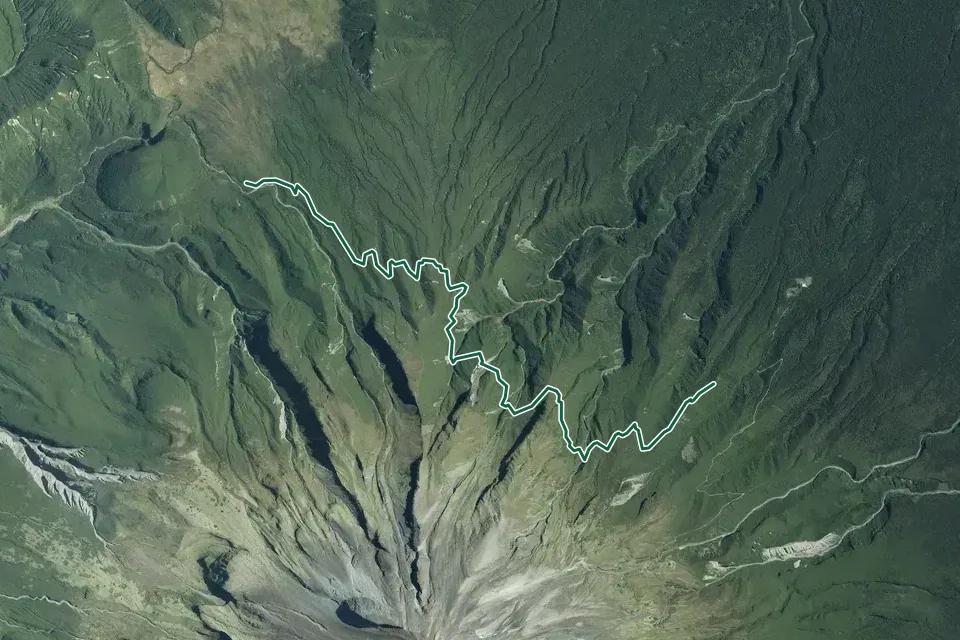
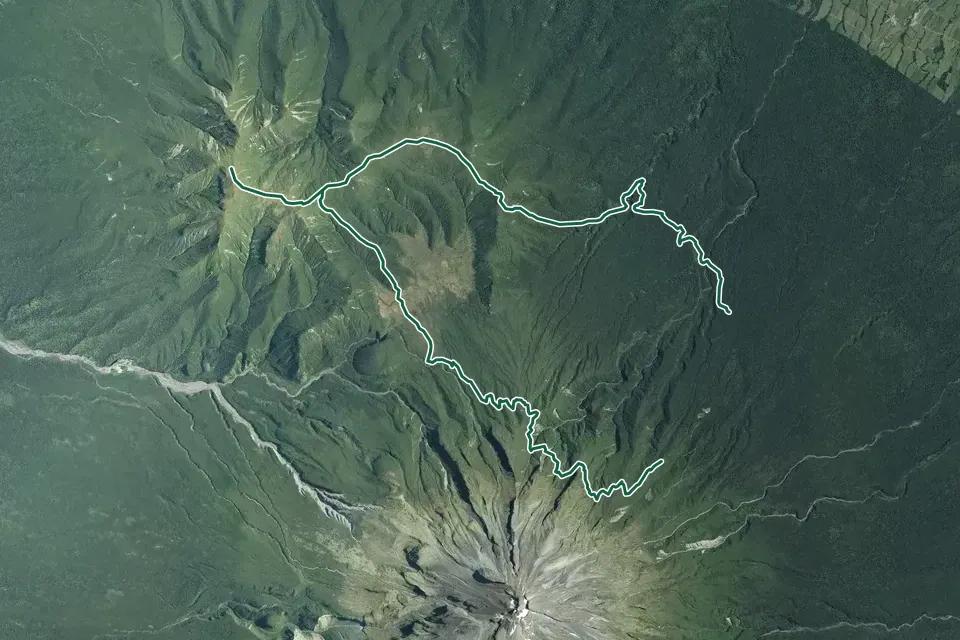
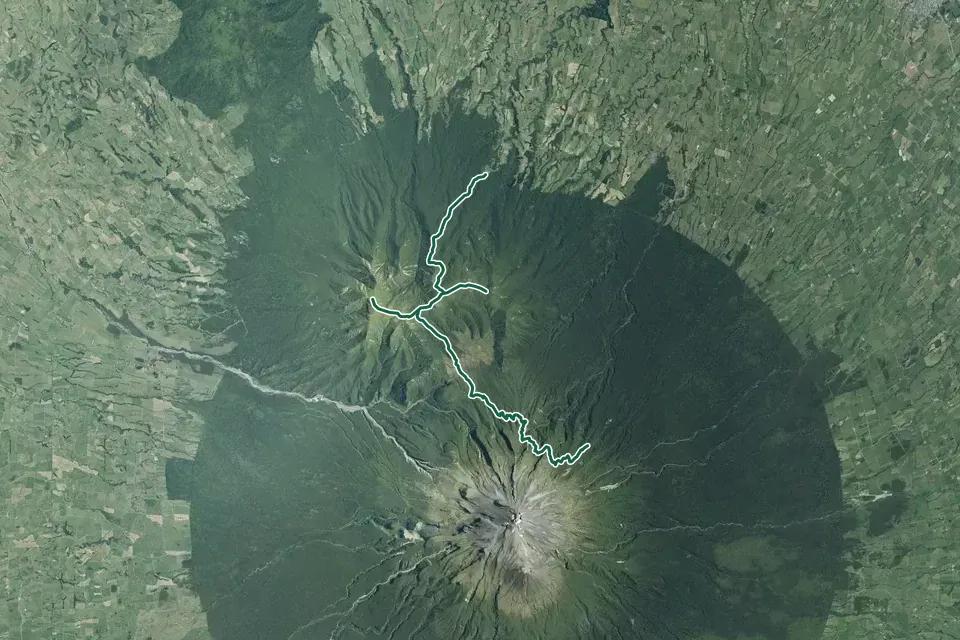
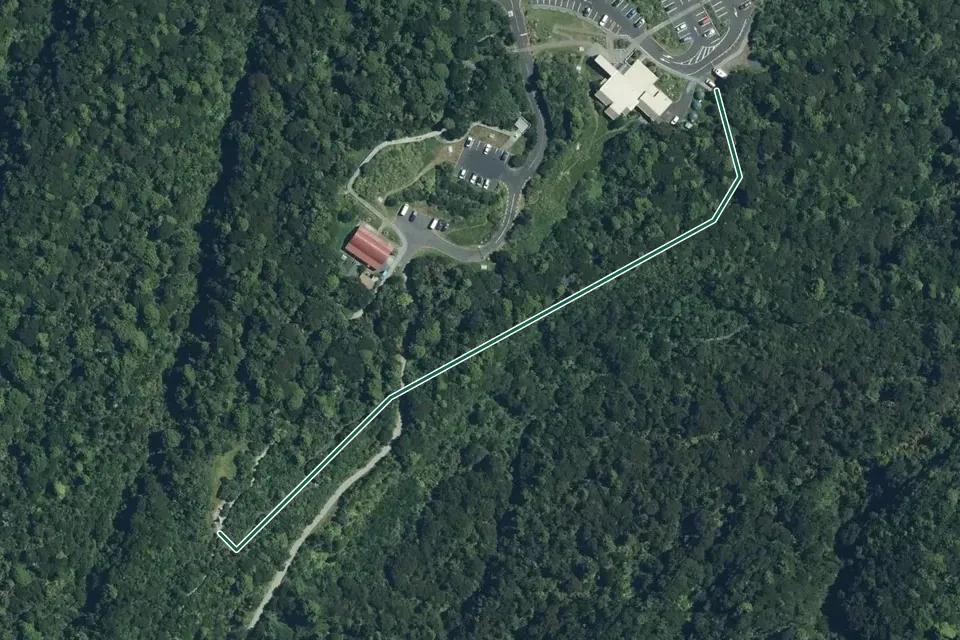
Holly Hut is reached by a tramp of around 3–4 hours from North Taranaki Visitor Centre. Winter tracks can be muddy or snow covered. This record is for camping outside the hut.
Department of Conservation: Holly Hut Campsite
Dogs & other pets
DOC prohibits dogs on the Holly Hut Track approach. Check with DOC for assistance-animal arrangements.
Department of Conservation: Holly Hut Campsite
Facilities to plan around
DOC describes space for approximately 3 tents outside Holly Hut, a containment-tank toilet and cold rainwater-tank supply. The hut’s mattresses, lighting and fireplace must not be read as campsite equipment.
Common questions
What stay types are recorded?
Recorded stay types: Tent. Confirm access and any vehicle restrictions before travelling.
See stay rulesWhat is the booking policy?
DOC says outdoor camping is paid with hut tickets, while its reservation section describes bunk bookings. Whether outdoor tent spaces require an advance reservation was not confirmed; check with the operator (DOC) before arrival.. Confirm booking arrangements with the operator.
See cost & bookingWhat should I know about drinking water?
Treat before drinking. Check the full water rule for supply and treatment conditions before relying on it.
See water conditions