Toilets, Washing and Rubbish When Camping in NZ: The Practical Version
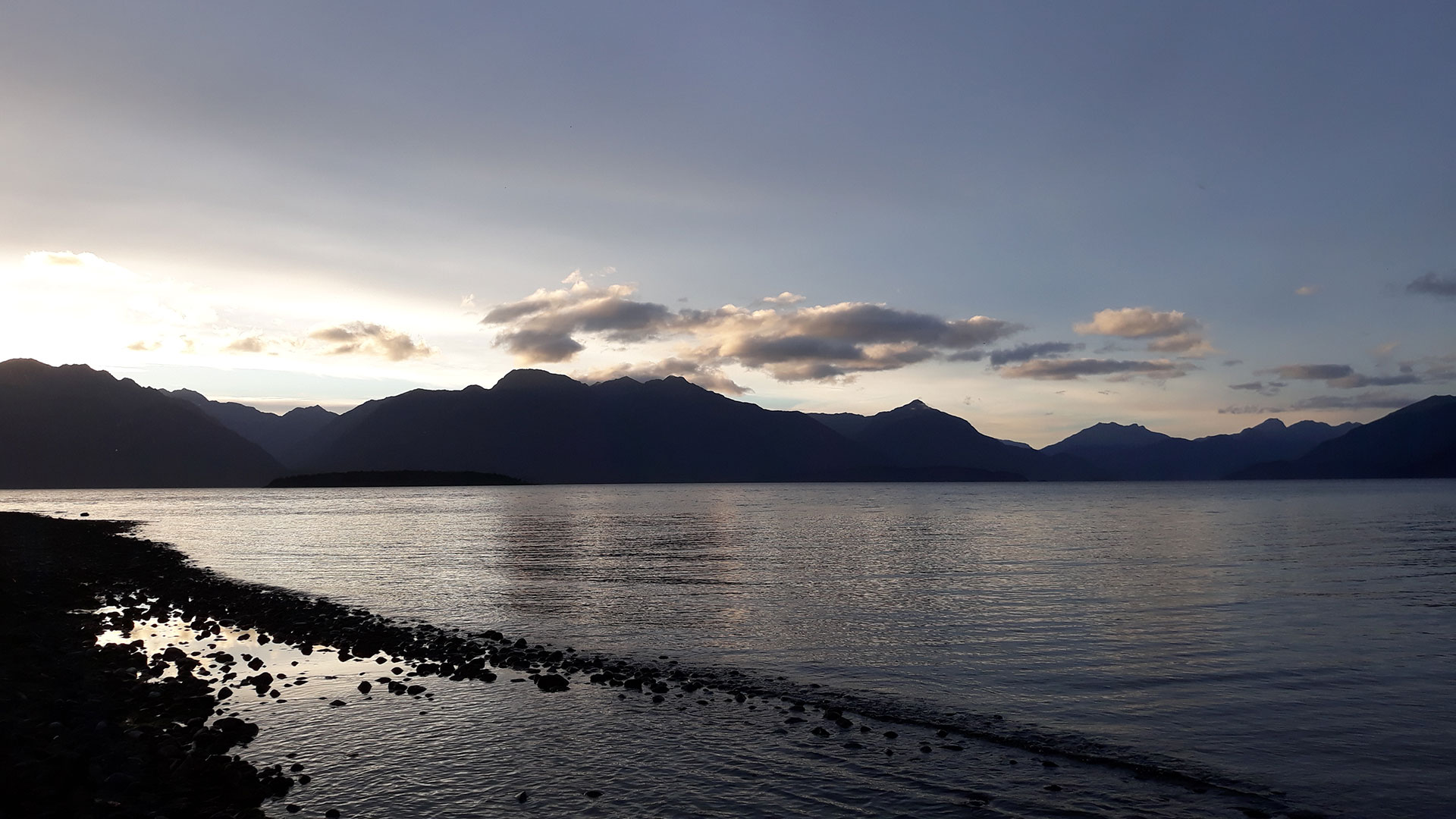
Illustrative photograph. General outdoor context from an existing reviewed DOC photograph. This image does not establish current facilities, camping permission, fire conditions or activity permissions. The lake outlook from Henry Creek Campsite, as identified by DOC. Surrounding scenery only: camping pitches are not visible. Photograph date not supplied.
Photo: Samm Bell / CC BY 4.0 / DetailsPlan toilets, backcountry waste, washing away from waterways and rubbish storage for a lower-impact camping trip in New Zealand.
Last checked 5 November 2026 / By Outdoor Next / Editorial standards
On this page
A loo plan, a washing container and a rubbish bag solve many of the awkward moments at camp. Why it matters: they keep waste out of water and food scraps away from wildlife. Check the official page. Checked 5 November 2026.
Use the toilet when there is one
DOC asks campers to use the toilets provided. Leave No Trace NZ also says to use toilets and never put rubbish in them. For a campervan without an onboard toilet, DOC's low-impact advice is to stay where toilets are available. Check the actual site's current facilities before travelling. Check the official page. Checked 5 November 2026. Check the official page. Checked 5 November 2026.
No toilet: plan before you need it
Read DOC's human-waste guidance for your environment before setting out. Two options are appropriate burial or carrying waste out; neither means leaving it exposed beside the track. Checked 5 November 2026.
Burial where suitable
DOC's guidance specifies a hole at least 50 m from water, tracks and campsites, and 15–20 cm deep. It advises using as little toilet paper as possible and burying it with the waste, and avoiding wet wipes and bleached toilet paper. This is human-waste guidance, not a washing-distance rule. Check the official page. Checked 5 November 2026.
Carrying waste out
DOC describes collecting waste and toilet paper in a compostable bag inside a portable container or tube, then using an appropriate composting or long-drop toilet. It says not to put this waste into flush or containment-vault toilets, campervan dump stations, gardens or rubbish bins. Confirm the receiving facility and current instructions before choosing your system. Check the official page. Checked 5 November 2026.
For alpine areas, menstrual-product disposal or any trip where burial is uncertain, check the current environment-specific advice with DOC.
Washing yourself and your dishes
DOC advises using biodegradable products and washing in a container away from waterways. Detergent, soap and toothpaste can harm aquatic and marine life. Carrying a small basin lets you wash without treating the stream as a sink. Use the land manager’s instructions for your washing spot. Check the official page. Checked 5 November 2026.
Camping near a river or lake
Add cleaning time before moving wet boots, fishing gear or paddling equipment to another waterway. The biosecurity guide explains Check, Clean, Dry and links the current DOC instructions. It is a separate task from washing dishes.
Rubbish, food scraps and small swaps
Take rubbish out when there is no suitable disposal facility. Food scraps attract pests, so a peel or leftover dinner belongs in your waste plan too. Keep a small bag handy while cooking and do a final sweep around the pitch. Check the official page. Checked 5 November 2026.
Practical suggestions include a refillable container, a reusable washing basin and packaging food at home. Choose the swaps that suit your trip.
Campervan tanks and dump stations
Keep household rubbish, packed-out backcountry human waste and campervan wastewater as separate disposal tasks. DOC directs campervan wastewater to official dump stations. Our water, waste and laundry guide helps plan those stops. Check the official page. Checked 5 November 2026.
The packing list and camping checklist help turn the plan into kit.
Before you go
Save the camp care checklist and check the land manager's page for your exact destination. A useful habit is to keep a backup if a planned stop or activity is unavailable.
Sources & official links
- Disposing of human waste (Department of Conservation)
- Low-impact camping (Department of Conservation)
- Dispose of waste properly (Leave No Trace NZ)
- Freedom camping on conservation land (Department of Conservation)
Frequently asked questions
Can biodegradable soap go straight into a stream?
DOC advises using biodegradable products in a container away from waterways. Soap, detergent and toothpaste can harm aquatic and marine life.
Can I put packed-out human waste in a rubbish bin or campervan dump station?
DOC’s pack-out guidance says to use the specified composting or long-drop toilet disposal route, rather than rubbish bins, campervan dump stations, containment-vault or flush toilets. Read the current instructions and confirm the receiving facility.
Keep planning