By Outdoor Next Editorial standards
On this page
Key facts
- Permission
- FENZ fire-season guidance must be read alongside landowner permission, conservation-land conditions and local rules.
- DOC campsites
- DOC specifies designated fireplaces or fire pits and no fire ban for campsite campfires; check site conditions too.
- Camping appliances
- WorkSafe warns about carbon monoxide, faulty equipment and overheating fuel canisters.
Checked against official sources on 1 October 2026. Rules and conditions are set by Fire and Emergency New Zealand; Department of Conservation; WorkSafe — confirm with them before you go.
Check the fire type, location and current restrictions before lighting anything. A campfire and a portable cooker need separate decisions, and neither a previous visit nor another camper's behaviour establishes what is permitted today.
Separate permission from the cooking plan
Fire and Emergency New Zealand's open-air rules explain that fire-season information is not sufficient on its own: landowner permission, conservation-land conditions and council rules also matter. Follow its link to the current checking tool and use your actual location and appliance type.
Write down what you have checked before leaving home, then check again before use. If the campsite instructions and your understanding of the fire rules do not agree, ask the manager or FENZ to resolve the question. Do not select whichever interpretation allows dinner to proceed.
A fireplace or old fire ring does not establish permission to use it. DOC's campsite guidance specifies designated fireplaces or pits and no fire ban; notices and site conditions still need checking. This guide does not grant permission for a backcountry fire or certify a permit.
| Decision | What to establish |
|---|---|
| Appliance | Exact fuel and cooker type, not simply "camping stove". |
| Location | Land manager, campsite conditions and relevant local rules. |
| Conditions | Current restrictions and whether using a flame remains appropriate. |
| Equipment | Manufacturer's setup, compatible components and serviceable condition. |
| Alternative | Food you can eat without operating the cooker. |
Prepare the actual appliance
Read the manual for the equipment you will carry, including a borrowed stove. Check the complete setup at home so missing parts or unfamiliar instructions are not discovered at mealtime. Ask the supplier or an appropriate servicing agency about faults; do not improvise repairs at camp.
WorkSafe's camping-appliance guidance warns that faults and poor ventilation can create carbon monoxide hazards. Oversized cookware or cookers placed too close together can also overheat canisters. Follow the manufacturer's instructions rather than copying a photograph or another group's arrangement.
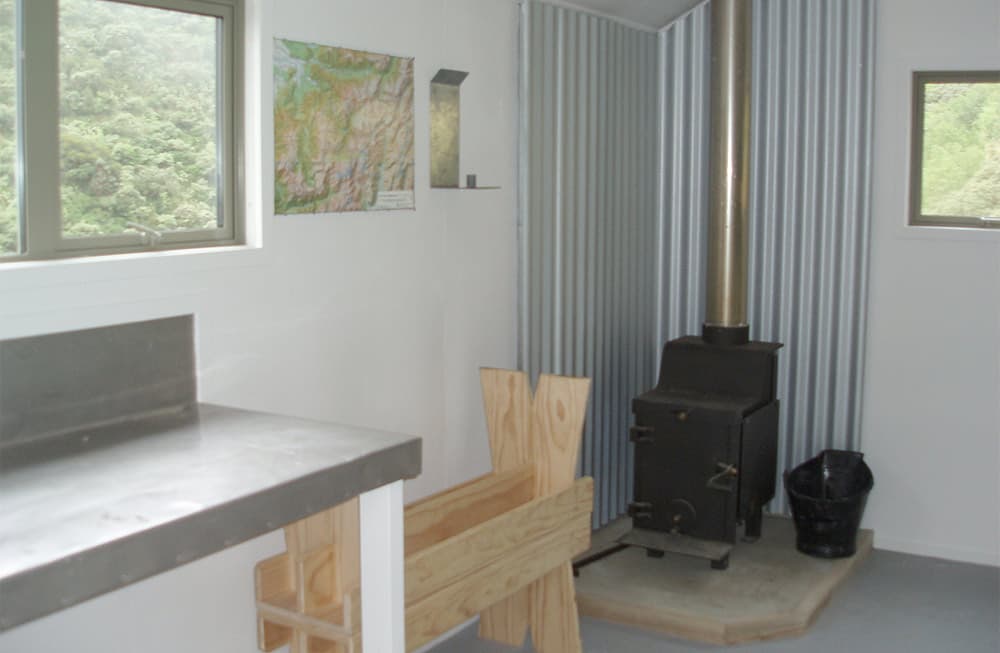
Do not move a portable camping stove into a tent to escape bad weather. Stop using malfunctioning equipment. Change canisters or refuel only outside after cooling, following the instructions for that system; never throw fuel canisters into a fire. The accompanying photograph illustrates a stove, not an approved setup or compatibility assessment.
Make supervision practical
Assign cooking to an adult who can give it attention, and arrange other tasks around that role. Put the meal ingredients within reach before lighting rather than leaving the appliance to search through the car. Discuss where children will wait and who will supervise them separately.
FENZ's gas-appliance guidance calls for a no-go zone for children and pets, continuous supervision and suitable extinguishing equipment within easy reach, no more than 5 metres away. It advises avoiding lighting when fire danger is Very High or Extreme. Read the full requirements rather than treating this summary as a site assessment.
Make going without a flame ordinary
Pack a meal option that does not depend on lighting a flame. Choose something the whole group will actually eat, and keep it accessible rather than buried with tomorrow's supplies. A booked pitch or an elaborate menu is not a reason to continue when permission, conditions or equipment remain uncertain.
Our campsite selection guide helps separate essential facilities from preferences. Confirm any kitchen access directly instead of assuming it will replace your stove. Before packing away a cooker, let it cool completely as DOC advises.
Before you go
- Check the exact fire category and current location-specific restrictions.
- Confirm the land manager's conditions and read arrival notices.
- Inspect equipment and carry its operating instructions.
- Arrange supervision and suitable extinguishing equipment.
- Pack a no-flame meal and resolve kitchen access separately.
- Know your location and how to call for help; FENZ says to call 111 immediately if a fire is out of control.
Frequently asked questions
Does a campsite fire pit mean I can light a fire?
No. Check current fire restrictions and the campsite's conditions. DOC's campsite guidance requires a designated fireplace or pit and no fire ban.
Are gas cookers always permitted during a fire ban?
Do not assume universal permission. Check the exact appliance category, current FENZ requirements and the land manager's conditions for your location.
Can I cook in the tent when it rains?
Do not move a portable camping stove into the tent. WorkSafe warns against confined-space use and carbon monoxide hazards. Use your no-flame meal option instead.