How to Choose a Tent: Best Tents for Your NZ Camping Trip
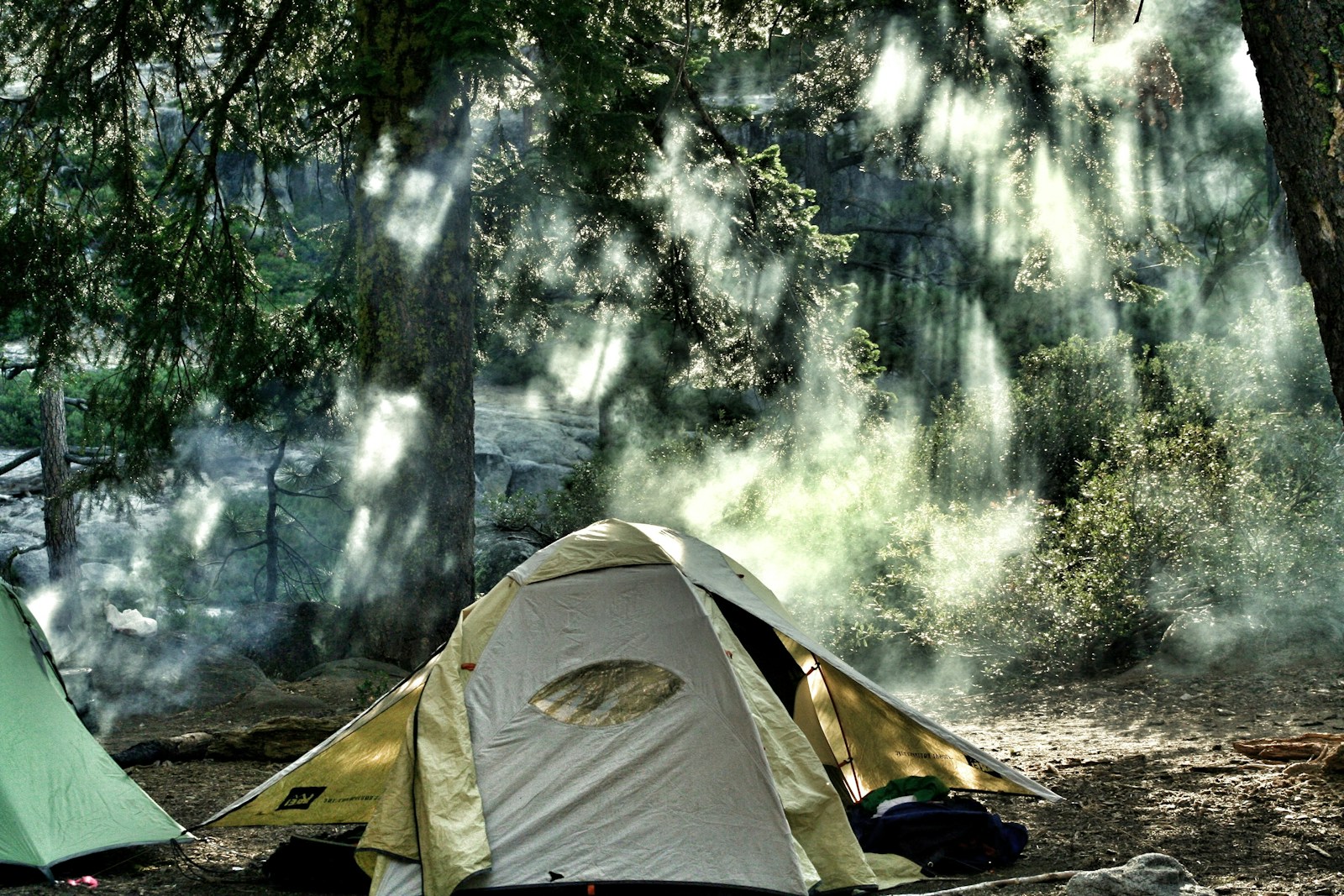
Illustrative photograph. Pitched tents in Yosemite Valley, United States, not a New Zealand campsite or a pitching demonstration.
Photo: Andrew Scofield / Unsplash License / DetailsChoose the best tent for your NZ trip by comparing space, conditions, pitching and complete carried weight, with sourced examples rather than test awards.
Last checked 12 October 2026 / By Outdoor Next / Editorial standards
On this page
The best tents for NZ camping are the ones that fit the trip, sleepers and expected conditions, not necessarily the largest or lightest models. Choose around where you will sleep, what weather you could meet and how far you must carry the complete kit. Sources and manufacturer examples were checked on 12 October 2026; this is a buying framework, not a field-tested ranking.
Start with the trip
Write down the conditions the tent must handle: sheltered or exposed ground, expected wind and rain, possible snow, and the distance back to your vehicle. Then compare those needs with the manufacturer's stated use and instructions.
A three-season or four-season label is a starting point for questions, not a universal performance standard. Do not assume a summer date makes an alpine site suitable for an ordinary family tent. DOC's Land Safety Code puts route choice and weather assessment ahead of equipment.
| Main use | Put these decisions first | Avoid this mismatch |
|---|---|---|
| Family car camping | Bedding layout, standing or sitting space, packed vehicle load and campsite footprint | Buying only by maximum person count |
| Frequent road-trip stops | Complete setup, drying and packing with the people travelling | Equating inflation time with total pitching time |
| Walk-in camping or tramping | Complete carried weight, packed size and conditions for the exact model | Carrying a large family shelter because it fits at home |
| Exposed or alpine camping | Model-specific intended use, anchoring, skills and an alternative plan | Treating a season label as permission to camp anywhere |
For a first trip, choose a manageable campsite before choosing equipment. If you are shopping for a group beside the car, our family tent guide develops the layout and living-space questions.
Check space with your own kit
Capacity describes a model's intended occupancy; it does not tell you how comfortably your group and luggage will fit. Lay your sleeping mats side by side and compare that footprint with the tent's usable floor plan. Account for sloping walls and the space needed to sit up.
| Check | What to compare |
|---|---|
| Sleeping area | Mat dimensions, occupant height and usable floor length |
| Entrances | Access without climbing over another sleeper |
| Storage | Dry gear inside; wet boots stored clear of exits |
| Packed kit | Tent, poles, pegs, footprint and repair equipment together |
| Pitching | Whether your group can put it up and secure it confidently |
For camping with children, include bags and bedding in the trial layout. For a walking trip, compare the complete carried weight, not just the advertised tent body.
Check the difference between inner dimensions, overall fly dimensions and the space taken by guy lines. A tent fitting the sleeping group does not establish that it fits the booked pitch. Ask the campground about the whole setup, including awnings or connected shelters.
Use actual models to ask better questions
Two existing catalogue entries illustrate why the intended use matters:
- Macpac Duolight 2 V4: Macpac lists two-person capacity, two entry points and 2.33 kg total weight. Check the inner floor plan and complete carried components for your walking trip.
- Zempire Aerospeed 6: Zempire lists comfort occupancy of four, maximum six and 10.8 kg weight. Check the actual bedding layout and transport needs for a car-camping stay.
They are not rivals in a best-in-test contest. The comparison shows why a family tent's capacity and a tramping tent's weight answer different questions. Neither published specification proves field durability or weather performance. The product entries link recorded offers; confirm the current version, inclusions and stock directly with the supplier.
Read waterproof ratings in context
Hydrostatic head measures a fabric's resistance to water pressure. It is not a whole-tent rain or wind rating. MSR's explanation of fabric specifications discusses the trade-offs between waterproof coatings, strength, weight and packability.
Look beyond the largest number. Ask how the seams are sealed, how the fly covers openings, what protects the floor and which maintenance products are compatible with the fabric. Inspect a used tent for damaged seams, coatings, poles and attachment points. Do not buy solely because it exceeds an arbitrary waterproof threshold.
Pitching and wet-weather use
Practise the complete setup before departure, including guy lines and the manufacturer's recommended anchoring. A freestanding design still needs securing. Keep exits usable and avoid locations where runoff could collect.
Store wet equipment separately from bedding. Ventilate according to the tent's instructions and keep the inner and fly properly separated. See camping in the rain for planning a wet-weather trip. Keep portable cooking appliances outside the tent and vestibule; storage space is not a cooking area. WorkSafe's appliance guidance warns about gas appliances and carbon monoxide in confined spaces.
Dry and clean the tent before long-term storage, following its care instructions. Check replacement poles, pegs and repair options before a remote trip rather than after a failure.
Compare the full ownership cost
List what comes in the exact configuration: pegs, guy lines, pump if required, repair pieces and any groundsheet. A compatible footprint is an additional decision, not a universal requirement. Compare complete kits before judging either price or weight.
Look at the retailer's return conditions before buying an unfamiliar floor plan. Ask about compatible spare parts and repairs for the exact model version. A larger discount label does not establish better value if the shelter is unsuitable, difficult to transport or missing required components.
Before you go
- Pitch and inspect the tent with the people who will use it.
- Pack the required poles, pegs, guy lines and repair items.
- Check the campsite and forecast, and change plans when conditions exceed your equipment or experience.
- Match your sleeping bag and mat to the overnight conditions.
- Add your shelter items to the packing list.
Sources & official links
- Tent fabric specifications and waterproof ratings (MSR / Cascade Designs)
- Land Safety Code (Department of Conservation)
- Duolight 2 Person Tent V4: specifications (Macpac NZ)
- Aerospeed 6 Air Tent: specifications (Zempire NZ)
- Camping appliance safety (WorkSafe New Zealand)
Frequently asked questions
Is a three-season tent enough for New Zealand?
It depends on the model, location and expected weather. Check the manufacturer's intended use; a season label is not a guarantee for exposed or snowy conditions.
Does a tent need a 3000mm waterproof rating?
There is no single number that establishes suitability for every New Zealand trip. Consider fabric coatings, seams, floor condition, pole structure, ventilation and correct pitching together.
How much space should I allow?
Compare the floor plan with your actual sleeping mats, occupants and storage needs. Capacity labels alone do not tell you whether your group will fit comfortably.
Which are the best tents in NZ?
There is no single winner for every trip. Compare family car-camping tents with each other and tramping tents with each other, then check fit, intended weather, complete weight and pitching. The examples here are specification research, not field-tested awards.
Equipment directory
Keep planning