Tent Footprints: Do You Need One for Camping in New Zealand?
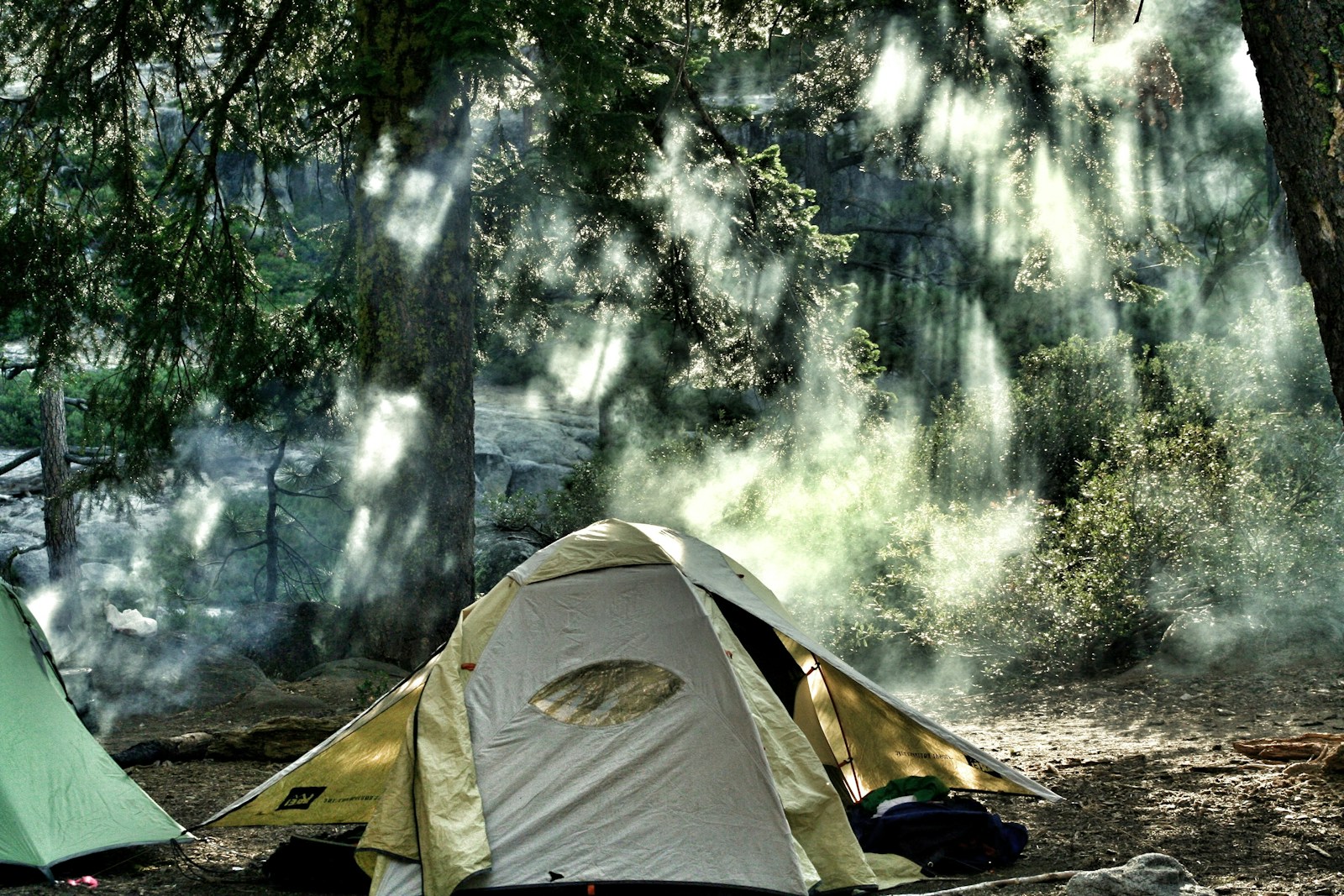
Illustrative photograph. Pitched tents in Yosemite Valley, United States, not a New Zealand campsite or a pitching demonstration.
Photo: Andrew Scofield / Unsplash License / DetailsA tent footprint protects the floor from wear. Learn when to pack one, how to choose the right fit and how to avoid collecting rain beneath your tent.
Last checked 12 October 2026 / By Outdoor Next / Editorial standards
On this page
A tent footprint is an extra protective layer beneath the tent floor. It is worth considering for repeated use, gritty pitches or a lightweight tent, but it is not essential for every camping trip. Choose it around your actual tent and likely ground conditions, rather than adding one simply because it appears on an accessories list.
What does a footprint protect?
MSR's footprint guidance explains that the extra layer reduces rubbing against rough surfaces and separates the floor from dirt and moisture. It takes some of the wear that would otherwise reach the tent itself.
Think of it as protection for equipment you already own. When comparing options, inspect your floor first and read the manufacturer's recommendation. A sheet underneath is not a repair for damaged fabric. If you are still choosing the shelter, start with our tent selection guide.
When is the extra layer worth carrying?
Rough ground and frequent pitching make floor protection more useful. Marmot's guide highlights compacted or gritty sites, regular backpacking and lightweight tents as situations where a protective layer can help. The trade-off is another item to carry and pack.
Use this decision table as a planning aid, rather than a guarantee about a particular campsite.
| Your trip | Practical decision |
|---|---|
| Car camping with repeated nights in the same tent | Consider a compatible footprint to protect the floor and simplify cleaning. |
| Tramping with a lightweight shelter | Compare the protection with the extra carried weight; check the tent maker's advice. |
| Occasional use on a smooth pitch | Inspect the ground and floor before deciding whether the extra layer earns its place. |
| A pitch where water is collecting | Reconsider the pitch; do not rely on an extra sheet to solve the problem. |
For New Zealand trips, equipment choices sit within a wider plan. DOC's Land Safety Code advises checking the weather and changing plans when needed. Use our campsite selection guide before deciding what to put underneath the tent.
Footprint, tarp or groundsheet?
A fitted footprint is shaped for a tent floor. A tarp is a general-purpose sheet, while “groundsheet” can describe a protective ground layer more broadly. The label alone does not establish compatibility.
A tarp may be workable, but lay it out with the tent at home before relying on it. Ask whether the shape fits, whether the attachments work and whether the packed size suits your trip. A person-count label is insufficient: compare the floor plan and check the exact tent model against the manufacturer's compatibility information.
For an older shelter, send the maker the model details and floor dimensions before buying a replacement. Avoid assuming that another tent with the same capacity has the same floor shape.
Keep rain from running underneath
For the standard underfloor footprints discussed here, keep the sheet inside the tent floor perimeter. MSR explains that an exposed edge can catch runoff and direct it beneath the shelter. Its support guidance also explains why its footprints are deliberately smaller than the floor.
Check all sides after pitching. If you use a general sheet, deal with excess material before the weather arrives. For a purpose-designed groundsheet with additional coverage, follow that model's drainage and fitting instructions rather than applying a generic rule.
Do not treat the footprint as a waterproof upgrade for the whole tent. Review the shelter's condition and setup, and use our wet-weather camping guide for the wider trip decision.
Pitch and pack according to the manual
Follow your footprint's own instructions for orientation, attachments and cleaning. For example, MSR describes pitching with its coated side up. The Zempire Aerospeed Footprint HD manual specifies its logo facing up, a flat layout and a practice pitch at home. Those are product-specific instructions, not interchangeable rules.
Zempire recommends sheltered, flat ground free from sharp objects. Its manual also says to clean the footprint and dry it completely before storage; if packed wet, dry it as soon as possible. Keep the care instructions with your kit so you can check the permitted cleaning method.
Before you go
- Confirm the tent model, floor shape and footprint compatibility.
- Practise the full setup, including orientation and attachments.
- Inspect for damage and check that the protective sheet sits correctly beneath the floor.
- Check the forecast and whether the trip suits your shelter and experience.
- Add the footprint, if chosen, to your camping checklist.
- Make time to clean and dry both layers after returning.
Sources & official links
- Footprint compatibility and purpose (MSR / Cascade Designs)
- What Is a Tent Footprint & Do You Need One? (Marmot)
- Why & How: Using the MSR Tent Footprint (MSR / Cascade Designs)
- Aerospeed Footprint HD instruction manual (Zempire)
- Land Safety Code (Department of Conservation)
Frequently asked questions
Do I need a tent footprint on grass?
It is not automatically necessary on every pitch. Consider the tent maker's advice, floor condition and how often you camp; check beneath the grass for abrasive debris.
Can I use a tarp instead of a tent footprint?
A waterproof tarp can serve as a ground layer if it fits beneath the floor without exposed edges. Check its shape, bulk and attachment arrangement in a practice pitch.
Does the footprint go inside the tent?
The protective footprints discussed here go underneath the tent floor. An interior liner does not protect the outside of the floor from rubbing against the ground.
Which side of a tent footprint faces up?
Follow the specific instructions. MSR describes its coated side facing up; Zempire's Aerospeed Footprint HD manual specifies the logo facing up. Do not assume one rule covers every product.
Keep planning