By Outdoor Next Editorial standards
On this page
Key facts
- Kauri forests
- DOC advises clean footwear and equipment, use of wash stations, following signs and staying on tracks.
- Freshwater
- Wet outdoor equipment can move pests between waterways; follow current Check, Clean, Dry instructions.
- Pest-free islands
- Inspect gear for pests and pack food in sealed containers before departure.
Checked against official sources on 1 October 2026. Rules and conditions are set by Department of Conservation — confirm with them before you go.
Plan cleaning between destinations, not only before leaving home. A camping holiday can move the same footwear, bags and water equipment through several environments, so give biosecurity a place in the itinerary rather than treating it as a final packing chore.
Start with the journey your gear will make
Write down each forest visit, freshwater activity and island departure. Beside it, note which items will touch soil or water and where you will check the next destination's instructions. Include borrowed equipment: ask how it was used and cleaned instead of assuming the person lending it has already prepared it for your trip.
Use a simple packing record rather than relying on memory. Our day-hike packing list covers the broader walking kit; add cleaning arrangements to your own version. A separate bag for used items can help organise the car, but bagging equipment is not a substitute for cleaning it.
| Transition | Preparation question |
|---|---|
| Home to forest | Have I inspected footwear and ground-contact equipment? |
| Forest to next walk | Where will I follow the required cleaning process? |
| One waterway to another | Have I checked current equipment and movement instructions? |
| Mainland to island | Have I inspected packed gear and sealed the food? |
| End of holiday | What still needs attention before storage or return? |
Treat kauri hygiene as its own task
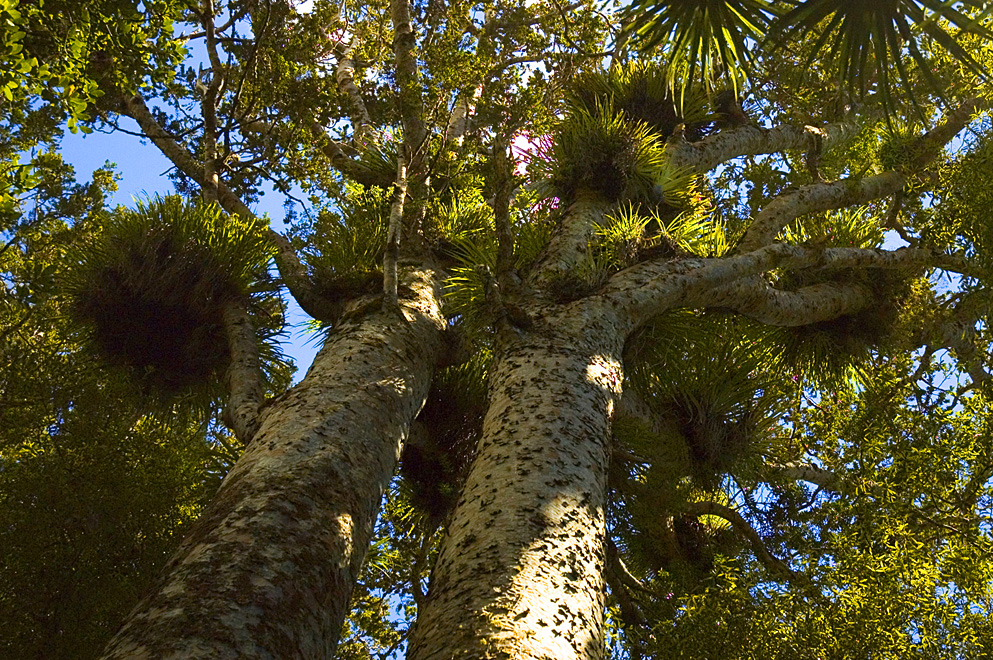
Keep kauri hygiene separate from freshwater equipment cleaning. DOC's kauri guidance explains that contaminated soil can spread the pathogen responsible for kauri dieback. It asks visitors to clean gear, use available wash stations, follow signs and remain on tracks.
Before setting out, inspect the places you would otherwise overlook, such as boot treads and the feet of equipment. At a cleaning station, read the instructions rather than rushing straight to the spray. Do not interpret a familiar-looking forest as permission to ignore its signs. If an essential instruction is unclear or a station cannot be used, ask the manager rather than improvising a chemical treatment.
Allow for freshwater cleaning and drying
Leave time for cleaning and drying when arranging the next activity. DOC's freshwater advice identifies wet gear as a way pests can reach another waterway and directs visitors to Biosecurity New Zealand's Check, Clean, Dry resources. It also notes that cleaning mixes differ between islands.
Read the current instructions for your activity before packing supplies. This guide does not reproduce chemical concentrations or certify current controlled-area rules. If you cannot establish the required process, do not move used equipment into another waterway; change the activity while you resolve the uncertainty.
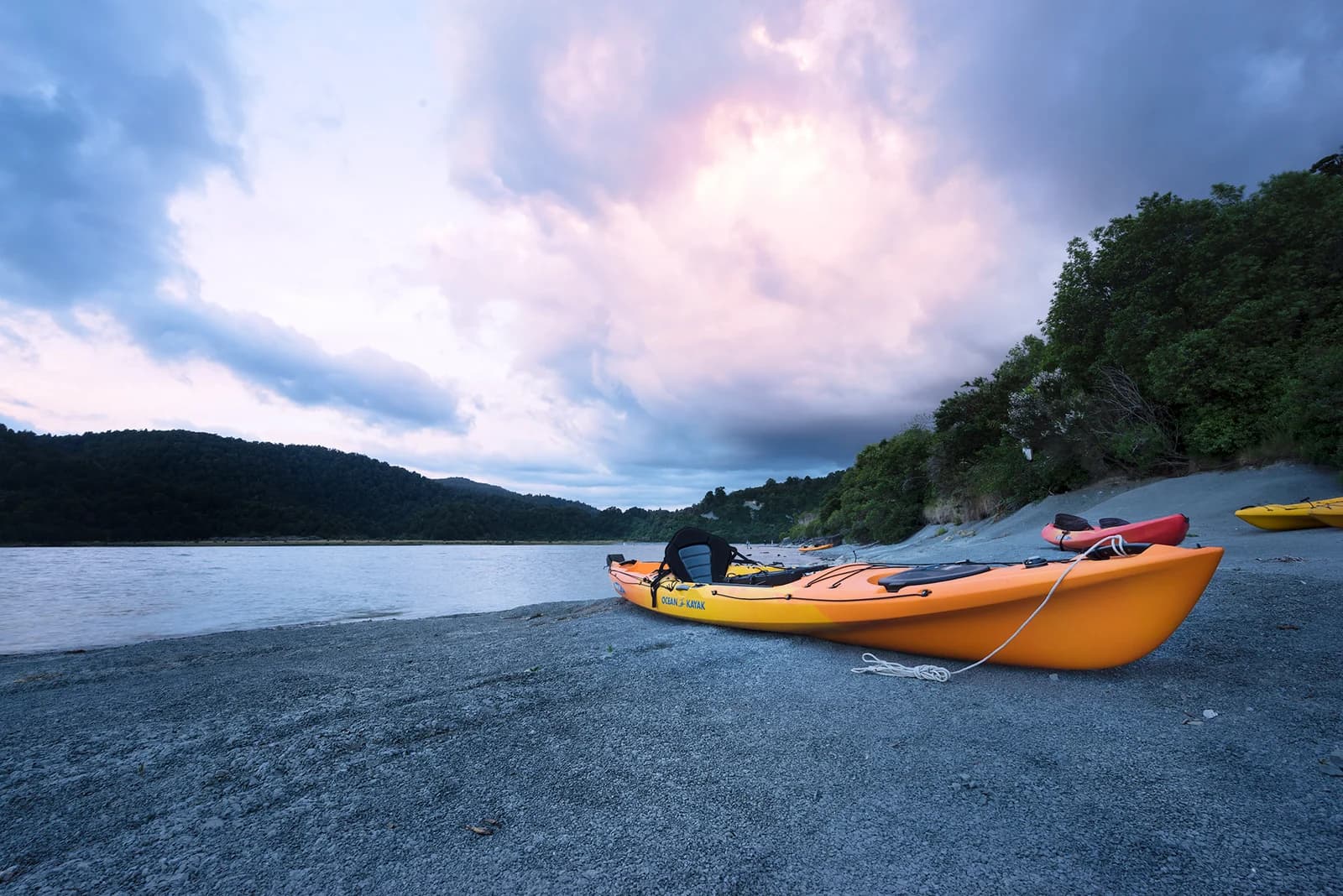
For a multi-stop kayaking holiday, make cleaning arrangements part of the conversation with the provider. Ask what you are responsible for and whether your proposed sequence of destinations is workable. An ambitious schedule is not a reason to skip the process.
Prepare island luggage before departure
Pack for island biosecurity before reaching the departure point. DOC's island checklist calls for pest checks in gear, removal of soil and seeds, and food in sealed containers rather than open bags.
Lay out equipment where you can examine it before closing the luggage. Agree who checks shared camping items, especially equipment retrieved from storage. Leave enough time to repack if an item needs attention. Ask the operator about destination-specific requirements; this national guide does not confirm an island's access arrangements or transport availability.
Before you go
- List the environments your gear will move between.
- Read the relevant manager's instructions and current alerts.
- Inspect borrowed and stored equipment as well as personal kit.
- Arrange the supplies, space and time needed for cleaning.
- Confirm island packing requirements before closing your bags.
- Keep unresolved cleaning or movement questions out of the itinerary until answered.
Frequently asked questions
Is cleaning boots at home enough for a multi-stop trip?
No. Plan checks between activities as well as at home, and follow destination signs and cleaning instructions. Gear can become contaminated again during use.
Can I use one cleaning recipe for every activity?
Do not assume that. Kauri hygiene and freshwater pest prevention have different instructions. Consult the relevant authority for your equipment and destination.
Does this guide confirm current freshwater movement restrictions?
No. Check MPI and the destination manager before moving equipment. This guide does not certify controlled-area boundaries, permitted movements or cleaning recipes.