Camping Stoves: Choosing Fuel, Cookware and a Safe Setup
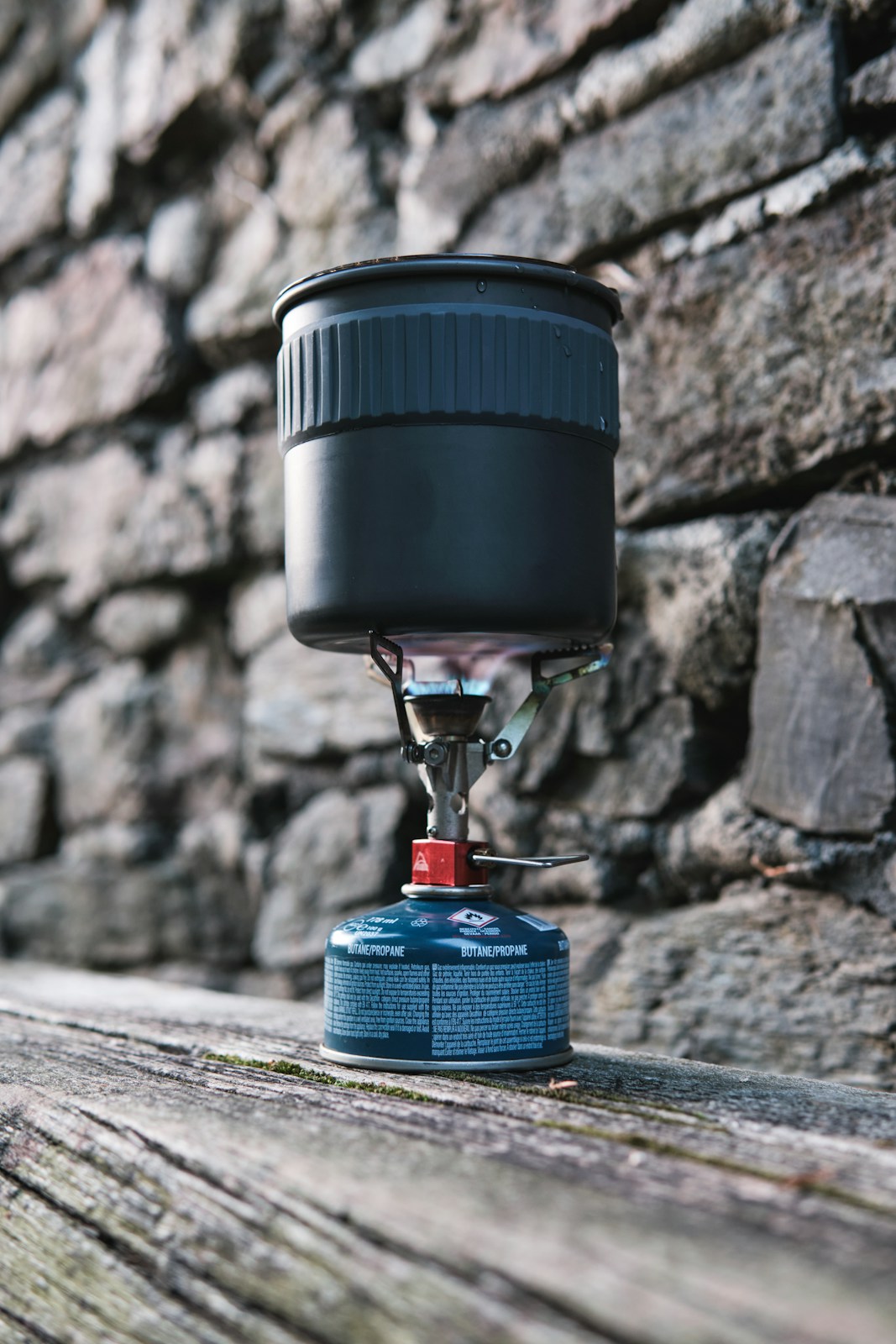
Illustrative photograph. A cooking pot on a canister stove, photographed in France. The pictured setup is not a tested product recommendation.
Photo: damien dufour / Unsplash License / DetailsChoose a camping stove for your meals, fuel supply and conditions. Check cookware compatibility, windscreen safety and airline fuel restrictions.
Last checked 24 September 2026 / By Outdoor Next / Editorial standards
On this page
Choose a camping stove for the meals you plan to cook, the pots it supports and the fuel you can obtain before departure. Do not assume every canister fits every burner or that every integrated system accepts a frying pan. Read the actual model's instructions before buying accessories.
Compare complete cooking setups
| Setup | Questions to ask |
|---|---|
| Stove mounted on a canister | Is the full pot stable, and is the fuel connection compatible? |
| Remote-canister stove | Which canister orientation and wind protection are approved? |
| Liquid-fuel stove | Which fuels are allowed, and can you perform the required priming and maintenance? |
| Integrated stove and pot | Which pots and accessories are explicitly compatible? |
| Larger car-camping cooker | Can you carry, store and operate the whole setup safely? |
Do not rank these by a generic boil-time table. Water quantity, temperature, wind, fuel and burner design make broad figures misleading. Compare manufacturers' results only when the test conditions are clear.
For family meals, consider pot stability and simmer control. For a walking trip, include the pot, fuel, ignition and maintenance kit when comparing weight.
Windscreens are model-specific
Do not put a windscreen around a stove-mounted gas canister. MSR warns that enclosing the canister can trap heat and cause a leak or explosion. A remote fuel supply does not automatically make an improvised screen safe; follow that stove's instructions.
Choose a sheltered outdoor cooking position that remains clear of flammable material. Do not move the burner into the tent because the wind increases.
Fuel planning
Confirm the exact fuel type and connection, then check stock with a supplier on your route. Do not assume a small settlement or campsite shop will carry it.
Plan consumption around your meals and the stove's instructions, allowing a reserve. A canister's weight alone does not establish how many days it will last. Carry a practical no-cook fallback if weather or fire restrictions prevent cooking.
Use only approved fuel and accessories. Do not refill disposable canisters or improvise adapters. Ask the local waste operator how it accepts empty containers rather than placing them in ordinary recycling.
Flying with a stove
MSR's travel guidance says flammable fuel is forbidden in passenger aircraft baggage. Buy compatible fuel after the flight.
For previously used stoves and reusable fuel containers, follow your airline's cleaning and approval requirements. Aviation Security's guidance requires airline approval for relevant cleaned camping equipment.
Lighters have different rules: Aviation Security permits one compliant lighter on your person, not packed in a bag. Check the allowed type and the airline's current rules.
Cooking safely
Use portable camping stoves outdoors, not inside a tent, vestibule or vehicle. WorkSafe's camping-appliance guidance addresses carbon monoxide, leaking gas and equipment condition.
Use a stable surface, keep people clear of hot cookware and stop using damaged or malfunctioning equipment. Check DOC's fire rules and local restrictions before lighting anything.
Before you go
- Read the stove manual and test the setup outdoors.
- Confirm compatible fuel and pots.
- Check fire restrictions and pack a no-cook backup.
- Let the stove cool before packing.
- Add cooking items to the packing list and plan for wet weather.
Sources & official links
- Why not use a windscreen with a canister stove? (MSR / Cascade Designs)
- Camping appliance safety (WorkSafe New Zealand)
- Lighting fires on public conservation land (Department of Conservation)
- Lighters (New Zealand Aviation Security)
- What you can take on the plane (New Zealand Aviation Security)
- PocketRocket 2 and stove FAQs (MSR / Cascade Designs)
Frequently asked questions
Should I buy a windscreen for a canister stove?
Only use a setup explicitly permitted by the stove manufacturer. MSR warns against surrounding a stove-mounted canister with a windscreen because it can overheat.
How much fuel will one canister provide?
There is no universal number of meals or days. Use your model's consumption data and a realistic cooking plan, with a reserve for the conditions.
Can I cook in the tent vestibule?
No. Keep portable camping stoves outside the tent and vestibule, clear of fabric and other combustible material.
Are all lighters banned on flights?
No. NZ Aviation Security permits one compliant lighter carried on your person, with restrictions. Check its current guidance and your airline; fuel canisters are a separate matter.
Equipment directory
Keep planning