Leave No Trace in New Zealand: Tiaki and Seven Practical Habits
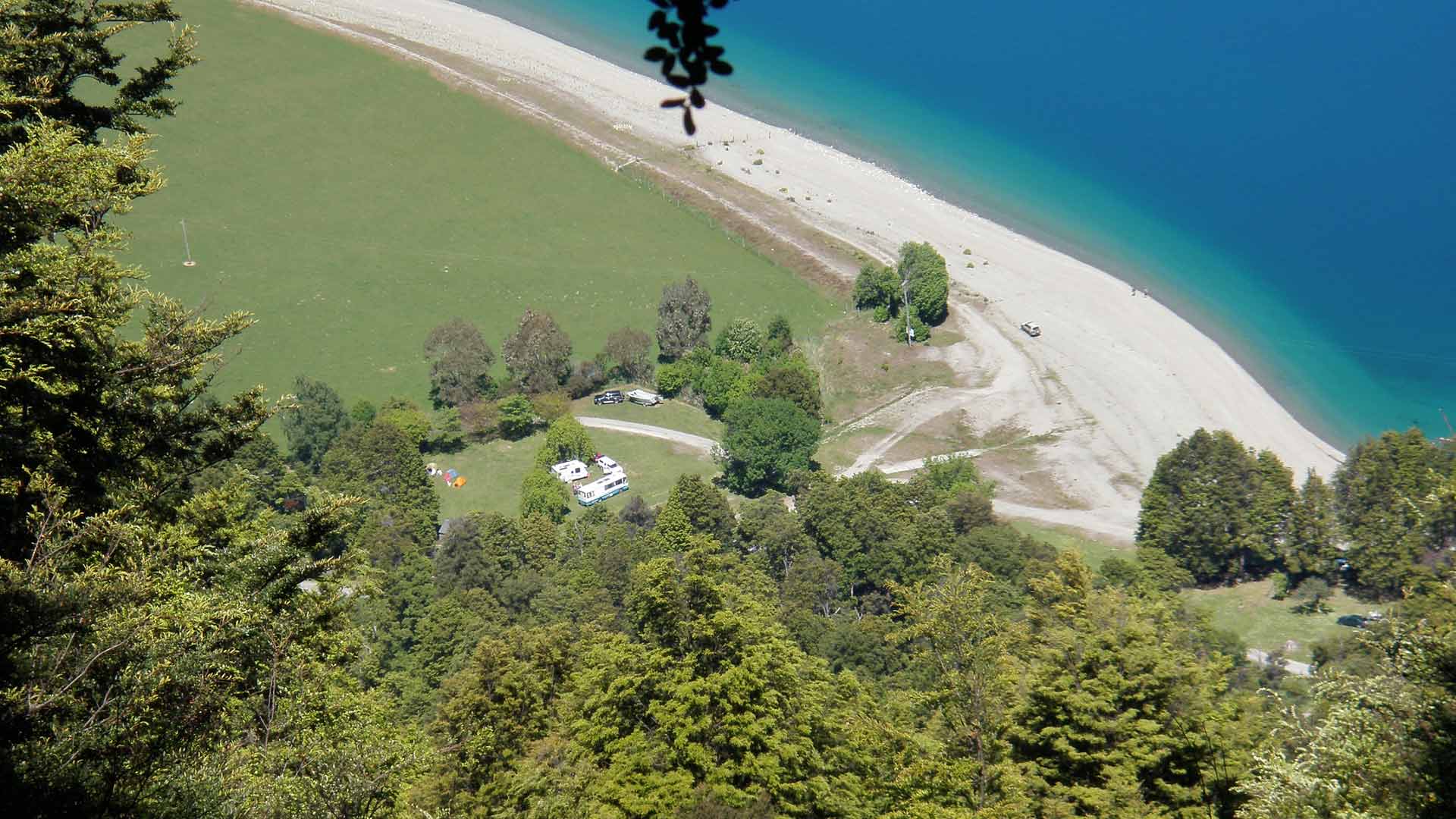
Illustrative photograph. General outdoor context from an existing reviewed DOC photograph. This image does not establish current facilities, camping permission, fire conditions or activity permissions. An elevated view of Kidds Bush Reserve Campsite beside Lake Hawea. DOC does not supply the photograph date; visible vehicles do not establish current access permissions or facilities.
Photo: Sonya Sawyers / Department of Conservation (NZ) / CC BY 4.0 / DetailsWhat Leave No Trace and the Tiaki Promise mean at a New Zealand campsite or on a walk: practical habits, trip-stage guides and a printable checklist.
Last checked 5 November 2026 / By Outdoor Next / Editorial standards
On this page
A little preparation makes a low-impact trip easier. You can enjoy the place, leave room for other visitors and reduce what the next person has to clean up. This is the starting point for our Camp responsibly guides.
Choose your next step
Before you go
At camp
Leaving
Use the printable camp care checklist for a final look around before leaving.
Tiaki: care for people, place and culture
Herenga ā Nuku describes Tiaki as caring for people, place and culture, including care for future generations. In practical terms, you might learn about the place before arriving, treat people with consideration and leave the environment in good condition for those who follow. This is our paraphrase, rather than a quotation of the Tiaki Promise. Check the official page. Checked 5 November 2026.
Leave No Trace NZ provides habits to use on the ground. We do not claim that Leave No Trace, Tiaki and DOC are the same organisation or have a formal partnership. Check the official page. Checked 5 November 2026.
The seven Leave No Trace principles
These principle names come from Leave No Trace NZ. The examples are practical suggestions for planning a trip here. Check the official page. Checked 5 November 2026.
| Principle | A practical NZ trip example |
|---|---|
| Plan ahead and prepare | Save your campsite's current rules and choose a backup. |
| Travel and camp on durable surfaces | Choose an established pitch or track rather than widening it. |
| Dispose of waste properly | Use the toilet provided and take your rubbish out. |
| Leave what you find | Enjoy a discovery in place so the next visitor can see it too. |
| Minimise the effects of fire | Plan stove cooking and check restrictions before lighting. |
| Respect wildlife and farm animals | Watch from a distance and keep food to yourself. |
| Be considerate of others | Give neighbours space and keep shared areas welcoming. |
Five habits that cover most of it
- Plan the stop: a scenic place still needs permission to camp.
- Plan the loo: know where the next toilet is before you need it.
- Pack it out: keep a rubbish bag accessible, including for small scraps.
- Care for water: wash in a container away from waterways and clean gear between places.
- Share the space: give animals and other visitors room.
Using toilets and taking rubbish out follows Leave No Trace NZ's waste guidance. For wildlife, DOC advises keeping your distance and not feeding animals. Both checked 5 November 2026.
What if I get something wrong?
It is fine to pause and change the plan when you learn something new. Pick up the missed scrap, use a different cooking method or choose the backup campground. If permission is unclear, the rules guide helps you find the responsible authority.
For a designated stay, start with DOC campsites or choosing a campsite. For watching animals, use our wildlife guide.
The seventh principle: Be considerate of others was checked on 5 November 2026.
Before you go
Save the camp care checklist and check the land manager's page for your exact destination. A useful habit is to keep a backup if a planned stop or activity is unavailable.
Sources & official links
- Leave No Trace New Zealand (Leave No Trace NZ)
- Dispose of waste properly (Leave No Trace NZ)
- Outdoor Access Code: Tiaki (Herenga ā Nuku Aotearoa)
- Protect nature (Department of Conservation)
- Be considerate of others (Leave No Trace NZ)
Frequently asked questions
Are Tiaki and Leave No Trace the same organisation?
This guide treats them as complementary ideas, without claiming an organisational relationship. Tiaki is about care for people, place and culture; Leave No Trace NZ describes seven practical principles.
Where should I start?
Check the rules for your destination, prepare clean gear and save the camp care checklist. At camp, focus on toilets, rubbish, fire conditions and space for wildlife and neighbours.
Keep planning