Dogs, Drones and Fishing on NZ Conservation Land: Check Before You Pack
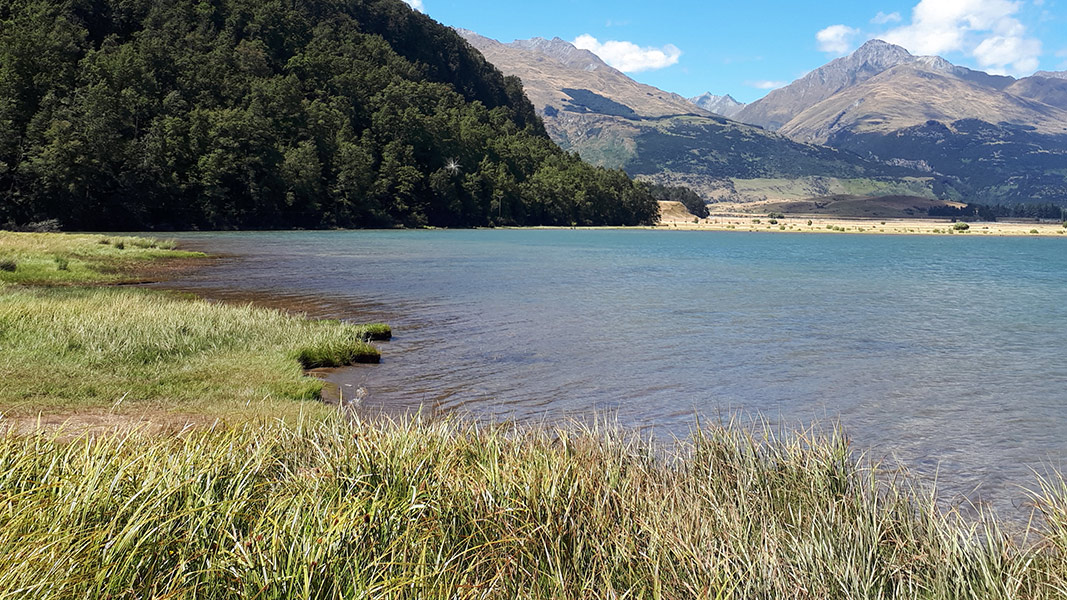
Illustrative photograph. General outdoor context from an existing reviewed DOC photograph. This image does not establish current facilities, camping permission, fire conditions or activity permissions. Diamond Lake near Glenorchy, as shown on DOC's campsite page. Lakeside context only: the camping pitches are not visible. Photograph date not supplied by DOC.
Photo: Department of Conservation (NZ) / CC BY 4.0 / DetailsFind DOC dog-access conditions, drone permissions, Taupō fishing guidance and wildlife rules before planning activities on conservation land.
Last checked 5 November 2026 / By Outdoor Next / Editorial standards
On this page
Deciding what to bring is easier when activity permission is checked alongside the destination. A campsite booking is not, by itself, permission for a dog, a drone or a fishing activity.
Dogs: start with the exact place
DOC says dogs may enter conservation land only where approved, with applicable written permission or the stated assistance-dog exception. National parks and controlled dog areas have specific restrictions. Read the place page rather than assuming a leash makes entry acceptable. Check the official page. Checked 5 November 2026.
At a DOC campsite, look for the dog with permit or dog on a leash symbol and read its conditions. Some campsites allow dogs with controls; a missing symbol is a reason to check, not proof of permission. Check the official page. Checked 5 November 2026.
Allow time to arrange permission and ask DOC if the conditions are unclear. For options to investigate, see dog conditions and trip planning, dog-friendly camping and dog-friendly walks. For wildlife encounters, see responsible wildlife watching.
Drones: permission before a flight plan
DOC's guidance requires permission for aircraft, including drones, to take off, land or hover on conservation land. Check the current process, site conditions and whether your proposed activity can be approved before carrying the drone in. Check the official page. Checked 5 November 2026.
DOC uses green, orange and red zones for recreational drone applications, as of 5 November 2026. Its recreational drone page lists these application fees, excluding GST:
| Zone | Application fee, as of 5 November 2026 |
|---|---|
| Green | $180 |
| Orange | $2,450 minimum |
| Red | $180 minimum |
Orange and red applications can cost more for complex or multiple locations. The green-zone permit is issued immediately and is valid for one year; check the official zone and permit information before applying. These fees and validity details are as of 5 November 2026 and do not establish permission for every location.
The DOC operating conditions, as of 5 November 2026, require you to:
- Stay at or below 120 m above ground level. Official height condition.
- Keep at least 50 m from any wildlife while flying. Official wildlife condition.
- Take off and land at least 100 m from any wildlife. Official take-off and landing condition.
- Remain at least 150 m horizontally from a point directly above any marine mammal. Official marine mammal condition.
Read the full conditions and your individual permission before flying. Planning a photograph from the ground is a useful alternative if permission cannot be established.
Fishing: use the right authority
For the Taupō Fishery, DOC's rules reminder says a DOC Taupō fishing licence is required and identifies licence misuse and other breaches as enforcement concerns. Read the fishery's official guidance before fishing; a licence does not replace checking the location and method. Check the official page. Checked 5 November 2026.
DOC's Taupō licence page, as of 5 November 2026, says the licences cover the Lake Taupō district only, not Fish & Game areas. Season licences run from 1 July to 30 June each year. DOC lists an adult 24-hour licence at $23, a whole-season adult licence at $105, and a whole-season non-resident licence at $169, including GST. The price page does not state a season year: these are prices checked on that date, so confirm the current price with DOC before buying.
Anglers no longer need a Taupō licence to fish at Lake Rotoaira, according to the same DOC licence page, as of 5 November 2026. This does not establish other access or fishing permissions for that lake.
For other freshwater fishing, check the official page at Fish & Game for the relevant waters, licence and conditions. For recreational sea fishing, check the official page at MPI. Use those authorities for current licence prices, licence periods, age conditions and regional catch limits.
Moving wet fishing gear between waterways also needs a biosecurity plan.
Wildlife: watch without changing the encounter
DOC's Wildlife Act overview describes protection for native birds, bats, frogs and reptiles, as well as some invertebrate and marine species. Activities such as capturing, killing, possessing or trading protected wildlife need the relevant permission. Marine mammals have separate legislation. Check the official page. Checked 5 November 2026.
For a visitor, the practical starting point is to watch from a distance and not feed wildlife. This gives animals room to carry on with their normal activity. For the legal wording and any consequences, check the official page. Check the official page. Checked 5 November 2026.
When the answer is unclear
Use the official place page or ask the responsible DOC office before committing to the activity. Our camping rules guide separates the authorities; the booking guide helps with the stay itself.
Before you go
Save the camp care checklist and check the land manager's page for your exact destination. A useful habit is to keep a backup if a planned stop or activity is unavailable.
Sources & official links
- Where you can take your dog (Department of Conservation)
- Low-impact camping (Department of Conservation)
- Drone use on conservation land (Department of Conservation)
- Taupō Fishery offences: rules reminder (Department of Conservation)
- Wildlife Act (Department of Conservation)
- Protect nature (Department of Conservation)
- Recreational drone use (Department of Conservation)
- Drone operating conditions (Department of Conservation)
- Taupō fishing licences (Department of Conservation)
Frequently asked questions
Can I take my dog to any DOC campsite?
No. DOC says to check the dog-access symbol and conditions for the specific campsite. A dog-friendly nearby place does not establish permission on the next track or in a national park.
Does a recreational drone need DOC permission?
DOC says aircraft, including drones, need permission to take off, land or hover on conservation land. Check the current permission process and conditions for your intended location.
Keep planning