Mountain Weather and River Crossings in NZ: Check, Watch, Wait
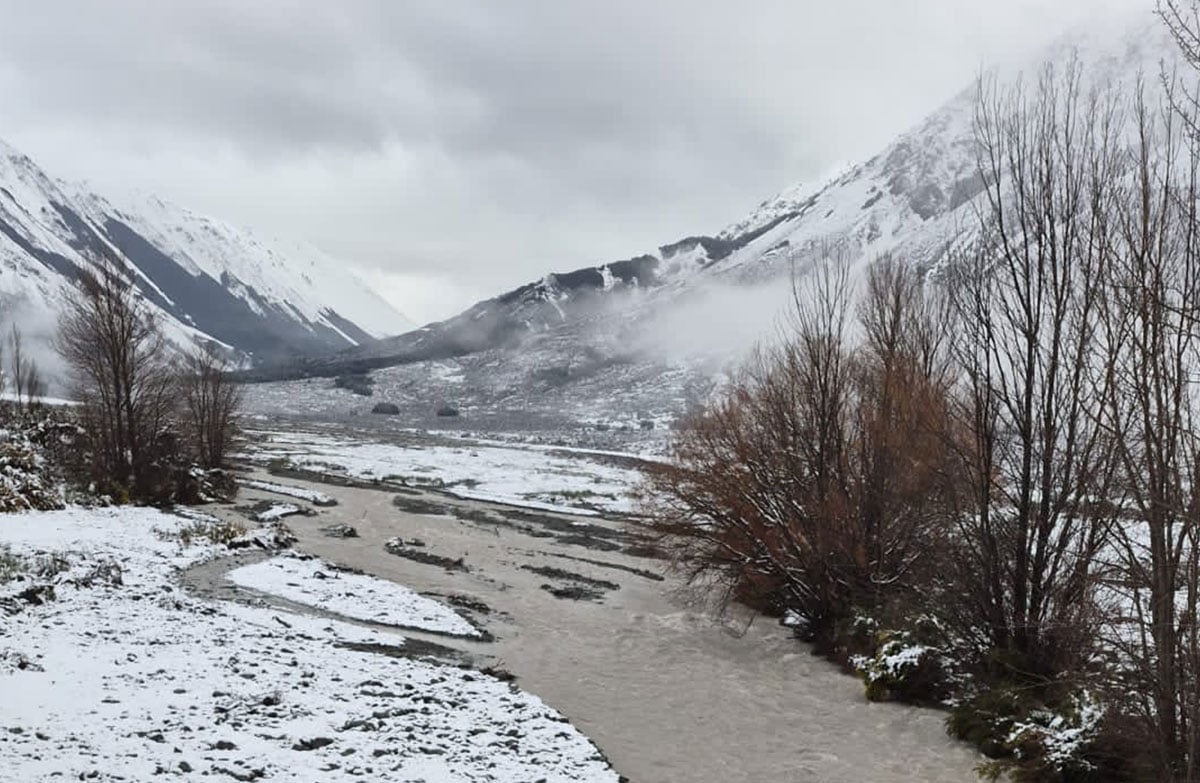
Illustrative photograph. General outdoor context from an existing reviewed DOC photograph. It illustrates the topic and is not an instruction, a current-conditions photograph or a guide to this guide's advice. Cass River in flood. Published in DOC's Cass-Lagoon Saddle Track guide. Photograph date not supplied; this is route-area context, not a verified trailhead or current-condition photograph.
Photo: Department of Conservation (NZ) / CC BY 4.0 / DetailsWhere to find New Zealand mountain forecasts, the signs that weather is turning, and the official warning signs that a river is unsafe to cross.
Last checked 5 November 2026 / By Outdoor Next / Editorial standards
On this page
Mountain weather and river conditions can change quickly. Check the forecast for your actual route and the whole river catchment, and be ready to wait, turn back or change plans. Everything here is a summary of official advice; follow the linked pages for detail.
Check the mountain forecast, not just the town one
The Mountain Safety Council (MSC) says mountain and rural forecasts can differ a lot from town or city forecasts, and suggests checking forecasts, watches and warnings regularly right up until you leave. Check the official page. Checked 5 November 2026.
MSC names these places to look:
- MetService Mountains and Parks for forecasts for specific outdoor destinations.
- MetService Weather Warnings for active warnings. MSC suggests considering a change of plans if one applies to your location.
- MetService Maps and Radars for rain forecasts.
- NZ Avalanche Advisory for snowpack and avalanche danger on winter alpine backcountry trips.
Check the official page. Checked 5 November 2026.
Signs the weather is turning
MSC lists these warning signs while you are out. Check the official page. Checked 5 November 2026.
| What you see | What MSC says it can mean |
|---|---|
| Wispy cirrus cloud (mares' tails or streamers) | Strong high-level winds, often the first sign of bad weather. |
| Northerly high-level winds | Usually a sign of bad weather. |
| Thickening, lowering cloud base | An ominous sign; the sun or moon can look dim or watery. |
| Smooth, lens-shaped clouds over or just past mountain tops (hogsbacks) | Strong winds at that level, growing as bad weather approaches. |
| Rising rivers or wet ground | Rain raises rivers, slickens tracks and increases landslide risk. |
If conditions turn poor
MSC's suggestions are to stay an extra night, reroute to avoid river crossings, avalanche terrain and exposed ridgelines, or go home and return another time. Check the official page. Checked 5 November 2026. Deciding on your turn-back point before you leave makes this easier when everyone is tired. If you are basing yourself in one spot, our rain backup guide can help.
Rivers: decide before you get wet
DOC's advice is blunt: "If you are not sure a river is safe, do not cross." It also says not to cross if the river is flooded, shows any warning sign, has no safe entry and exit points, or you lack the skills or experience. Check the official page. Checked 5 November 2026.
DOC suggests checking the forecast and river conditions beforehand, including rain and snowmelt in the whole catchment, and notes that small side streams can also become dangerous. Check the official page. Checked 5 November 2026.
Fast, murky, messy, loud
DOC lists four warning signs of an unsafe river. Check the official page. Checked 5 November 2026.
- Fast: the water is flowing faster than walking pace.
- Murky: the water is discoloured, often brown.
- Messy: there is debris in the water, such as branches.
- Loud: you can hear roaring water or rocks moving.
MSC's children's version asks the same four questions: too fast, too murky, too messy, too loud. If any answer is yes, do not cross. Check the official page. Checked 5 November 2026.
If it really is safe to cross
MSC says the water should be no higher than the thighs of the shortest person in the group, and the current should be no faster than walking pace no matter how deep the water. It also says to wait for a river to drop and use your plan B if it is unsafe: "If in doubt, stay out!" Check the official page. Checked 5 November 2026.
For pack straps, MSC advises undoing the chest strap so you can slip the pack off if you need to, and keeping the waist belt fastened so the pack stays balanced. MSC says the pack should help keep you afloat as long as the waist belt is done up and your pack liner is sealed. Check the official page. Checked 5 November 2026.
For a group, DOC points to the mutual support method, and MSC describes it: the strongest person goes upstream, everyone stands in a tight formation side by side, and the group agrees turn-back signals and practises on land first. Check the official page. Checked 5 November 2026. This page is not a substitute for learning the technique from MSC or a qualified instructor.
Before you go
- Save the mountain forecast and warnings pages, and check them again on departure day.
- Agree your turn-back point and plan B.
- Read the outdoor safety overview and the Land Safety Code, which also asks you to know how to cross rivers safely.
Save the camp care checklist and check the land manager's page for your exact destination. A useful habit is to keep a backup if a planned stop or activity is unavailable.
Sources & official links
- Weather (outdoor skills) (NZ Mountain Safety Council)
- River crossing safety (Department of Conservation)
- River safety (NZ Mountain Safety Council)
- NZ Land Safety Code (NZ Mountain Safety Council)
Frequently asked questions
Where can I get a mountain forecast for New Zealand?
The Mountain Safety Council points to MetService Mountains and Parks for destination forecasts, MetService Weather Warnings for active warnings, and the NZ Avalanche Advisory for winter alpine travel.
How do I know a river is unsafe?
DOC lists four signs: it is fast (faster than walking pace), murky (discoloured, often brown), messy (debris such as branches) or loud (roaring water or moving rocks). If you are not sure a river is safe, do not cross.
Should I undo my pack straps?
The Mountain Safety Council advises undoing the chest strap so you can slip the pack off, and keeping the waist belt fastened so the pack stays balanced. Learn the full technique from MSC rather than from this page.
Keep planning