Sandflies in New Zealand: Prevention and Camping Decisions
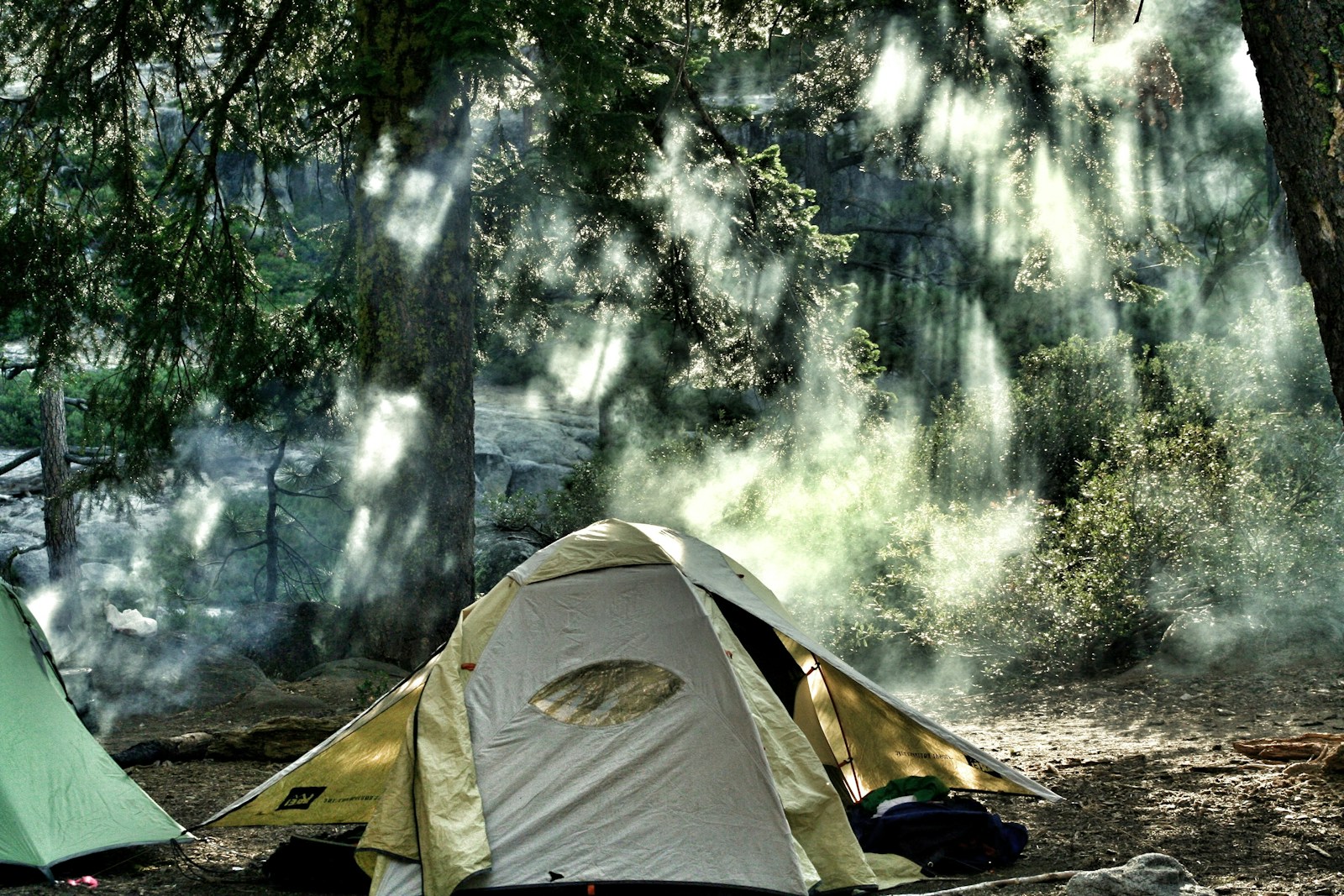
Illustrative photograph. General outdoor planning photograph, not a photograph of a named route, campsite, product or the itinerary. Pitched tents in Yosemite Valley, United States, not a New Zealand campsite or a pitching demonstration.
Photo: Andrew Scofield / Unsplash License / DetailsPlan for sandflies in New Zealand with covering clothing, suitable repellent and screened shelter. Know when to seek advice about bites or reactions.
Last checked 12 October 2026 / By Outdoor Next / Editorial standards
On this page
Prepare for sandflies on both islands, not only on the West Coast. For a camping trip, the useful response is covering clothing, a suitable repellent and a screened place to sleep, rather than trying to find a destination guaranteed to have none. Sources were checked on 12 October 2026; this is practical preparation, not personalised medical advice.
Where and when to expect them
New Zealand's sandflies are blackflies, not necessarily the insects called sandflies overseas. Te Ara describes them around flowing water and bush, including beaches and lake margins, and identifies the West Coast and Fiordland as particularly troublesome areas. DOC's Fiordland guidance advises bringing repellent.
Te Ara describes morning and dusk biting peaks, with activity possible through dull, humid days. Do not treat lunchtime, a beach location or a different island as an assurance that you will avoid bites. Equally, a regional reputation does not predict the conditions at your particular pitch.
This matters most when the trip involves sitting still: preparing dinner, supervising children, packing the car or taking a long photography stop. Put protection where you can reach it before those pauses, not at the bottom of the luggage.
Make prevention part of the routine
Cover exposed skin and use a suitable repellent according to its label. DermNet's repellent guidance describes chemical options including DEET and picaridin and recommends combining repellent with physical protection. It also notes that some formulations can damage plastics or synthetic materials.
| Situation | Practical preparation |
|---|---|
| Unloading and pitching | Keep covering clothing and repellent in the accessible arrival bag. |
| Sitting outside | Check uncovered skin, including gaps around socks and sleeves. |
| Children at camp | Choose an age-appropriate product and supervise application as the label directs. |
| Sleeping | Close the mesh promptly; check zips and repair holes before departure. |
| Handling equipment | Check compatibility before applying repellent near glasses, plastic or tent fabrics. |
| A long outdoor day | Carry enough product to reapply as directed, rather than relying on one early application. |
Ask a pharmacist about product suitability for infants, pregnancy, sensitive skin or a previous reaction. Do not copy someone else's concentration or schedule without checking your own product. Keep repellent away from eyes, mouths and broken skin, consistent with DermNet's precautions.
Choose shelter you can actually use
Check tent mesh and zips before relying on a screened sleeping area. Try operating the inner door with the bedding laid out: a zip hidden behind bags is less convenient when children need to get in and out. Keep the entry clear and close it after each use.
For family camping, consider whether everyone can sit inside without occupying the exit. A screened living space may be useful, but it must be part of an otherwise suitable tent; insect protection does not establish wind or rain performance. Our family tent guide separates these decisions.
Do not solve an uncomfortable evening by introducing a flame into the tent. Plan an alternative place to eat, change the timing of a stop or use booked indoor accommodation if that suits the group better. Keep the camping checklist focused on equipment and routines you will actually use.
Bites and when to get help
DermNet's insect-bite guidance recommends cooling the affected area and notes that scratching can leave sores; secondary infection is a possible complication. Avoid scratching, and ask a pharmacist or clinician about suitable symptom relief rather than sharing medicines or using an improvised treatment.
Seek professional advice for a concerning bite reaction rather than diagnosing it from a photograph. A persistent or worsening problem, broken skin or feeling unwell deserves individual assessment; not every itchy mark is a sandfly bite.
For breathing difficulty or other signs of a severe allergic reaction, follow Hato Hone St John's emergency guidance: call 111 and ask for an ambulance. Anyone with a prescribed allergy plan should carry it and their medication, and make sure companions know where it is.
Before you go
- Pack covering clothes, suitable repellent and your usual first aid supplies.
- Check product labels for every person who will use them.
- Inspect shelter mesh and practise closing the doors with bedding in place.
- Keep prevention items accessible during arrival, meals and roadside stops.
- For a South Island road trip, include sandfly preparation without treating any stop as a guaranteed insect-free alternative.
Sources & official links
- Sandflies: New Zealand's blackflies (Te Ara Encyclopedia of New Zealand / Manatu Taonga)
- Insect repellents (DermNet)
- Arthropod bites and stings (DermNet)
- Allergic reaction: first aid (Hato Hone St John)
- Fiordland National Park: sandfly preparation (Department of Conservation)
Frequently asked questions
Are sandflies only in the South Island?
No. Te Ara describes biting sandflies in the North Island and South Island, with the West Coast and Fiordland particularly associated with them.
Do sandflies only bite at sunset?
No. Te Ara describes morning and dusk peaks, with biting possible throughout dull, humid days. Darkness is not a reliable substitute for protection.
Which repellent should I buy?
Choose a labelled product suitable for the insects, the user and the conditions. Check age restrictions and application instructions; a pharmacist can help with children, sensitive skin or other concerns. This guide does not test or rank repellent brands.
What should I do about an itchy bite?
DermNet recommends cooling insect bites. Avoid scratching and seek a pharmacist or clinician's advice if symptoms concern you. Breathing difficulty or a severe allergic reaction needs urgent help: call 111.
Keep planning