Area & getting there
Lake Ianthe Matahi Campsite
DOC campsite reference point, not a verified entrance or individual pitch.
Official location information: Department of Conservation (new tab)Location source & precision
- Reference coordinates
- -43.06020, 170.63395 (latitude, longitude)
- Precision
- WGS84 coordinates retained at the official service's returned precision; decimal resolution is not survey accuracy. Source positional accuracy is not specified.
- Source
- DOC Maps campsite reference point (WGS84), exact official-page asset ID (new tab)
Department of Conservation - Location source checked
Read the full guideArrival, planning and local advice
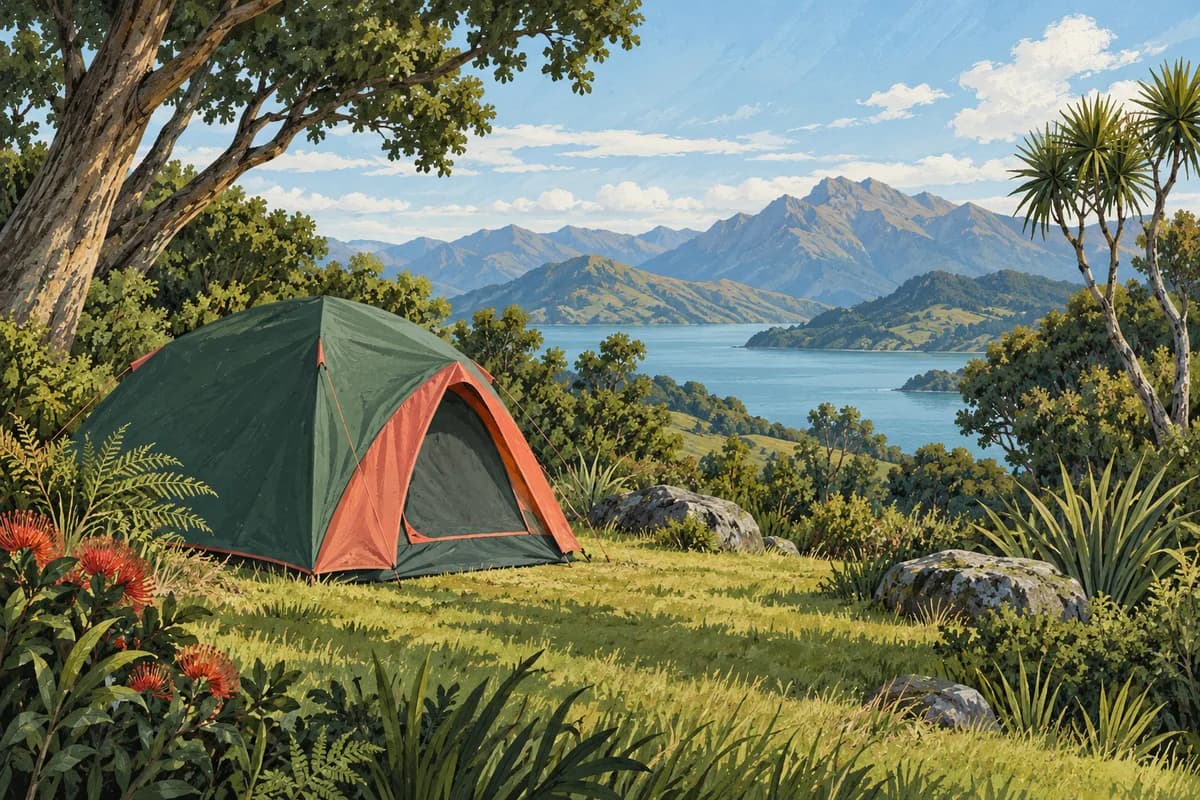
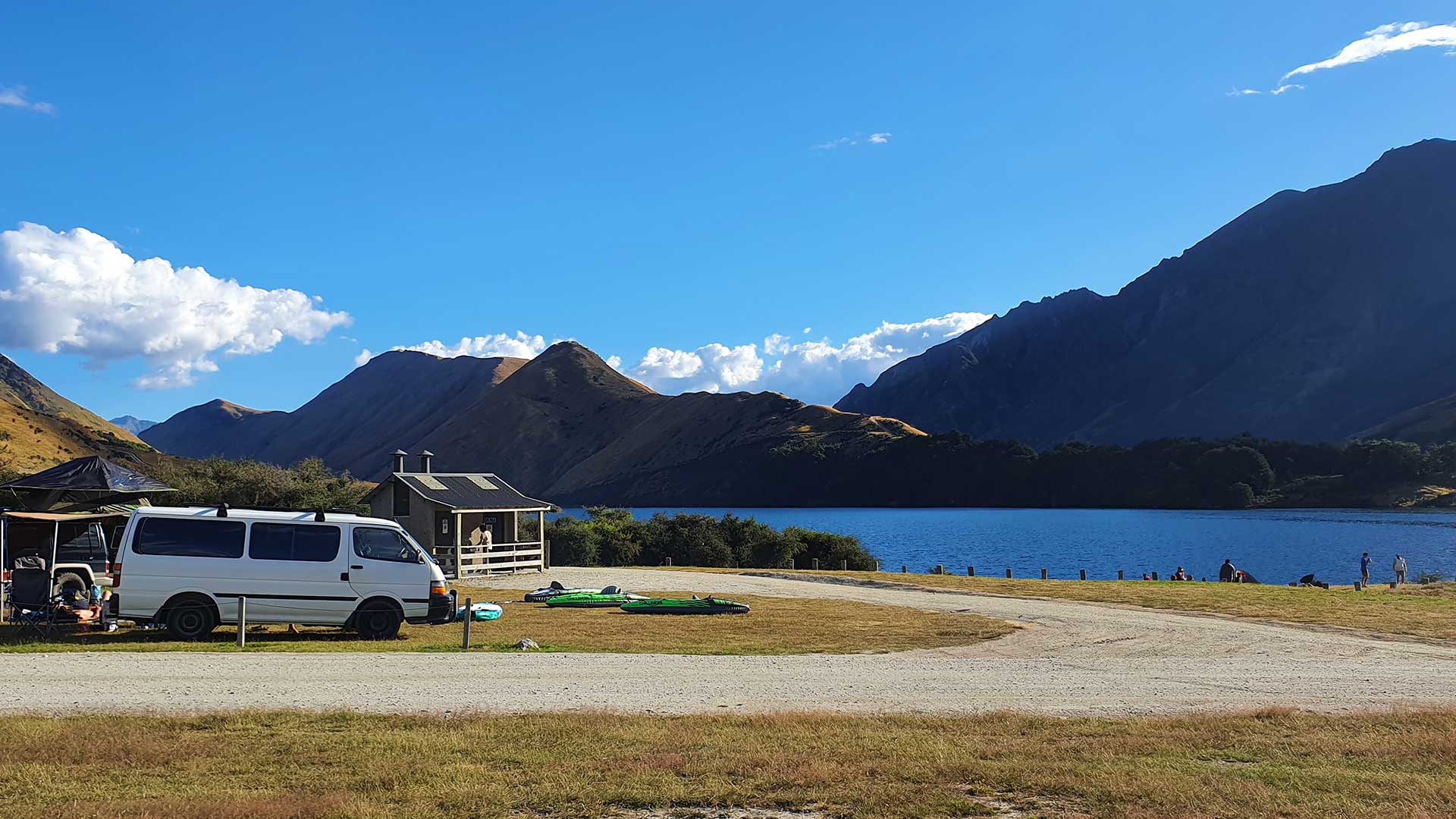
- Forest-fringed Lake Ianthe camping reached by a short SH6 driveway.
- Boat facilities do not establish suitable lake conditions for your visit.
- No dogs or fires. Cooking shelter is not a verified equipped kitchen.
- Camping styles
- tent, campervan, caravan
- Fees
- NZ$10 per adult (18+) per night, non-powered. Recheck the total for your dates.
- Water
- Untreated tap water; DOC says to boil before use. Carry a reserve.
Forest-fringed Lake Ianthe camping reached by a short SH6 driveway.
Make a deliberate highway stop
The campsite is reached directly from SH6 north of Harihari by a short driveway. Plan the turnoff in advance rather than searching for it while deciding whether to stop. Keep the booking available before entering and inspect where to park before unloading. For a one-night stay, arrange the vehicle so the tent and cooking kit can come out without spreading the whole trip's luggage over the camping area.
Enjoy the lake without pressure
DOC describes a freshwater lake enclosed by forest, with boat launching and a jetty. Choose activities according to the conditions you actually find, not the calm water in a photograph. A slow evening taking in the setting can be a useful break in a driving trip. If part of the group goes onto the water, establish return arrangements and a shore contact rather than leaving the plan to an informal last-minute conversation.
Prepare a compact overnight
Reserve before travelling and bring everything needed for sleeping and cooking. Use a shelter as shared space without assuming it contains appliances, fuel or utensils. Keep dry layers and tomorrow's breakfast separate from wet outdoor equipment. Start with filled drinking-water containers so you can settle in before addressing replenishment. At departure, allow a few minutes for a full pitch check and to reorganise damp items before joining the highway for the next leg.
Check the official campsite information for current restrictions, facilities and booking arrangements.