Hut, Cabin or Campsite: Choosing a Stay in NZ
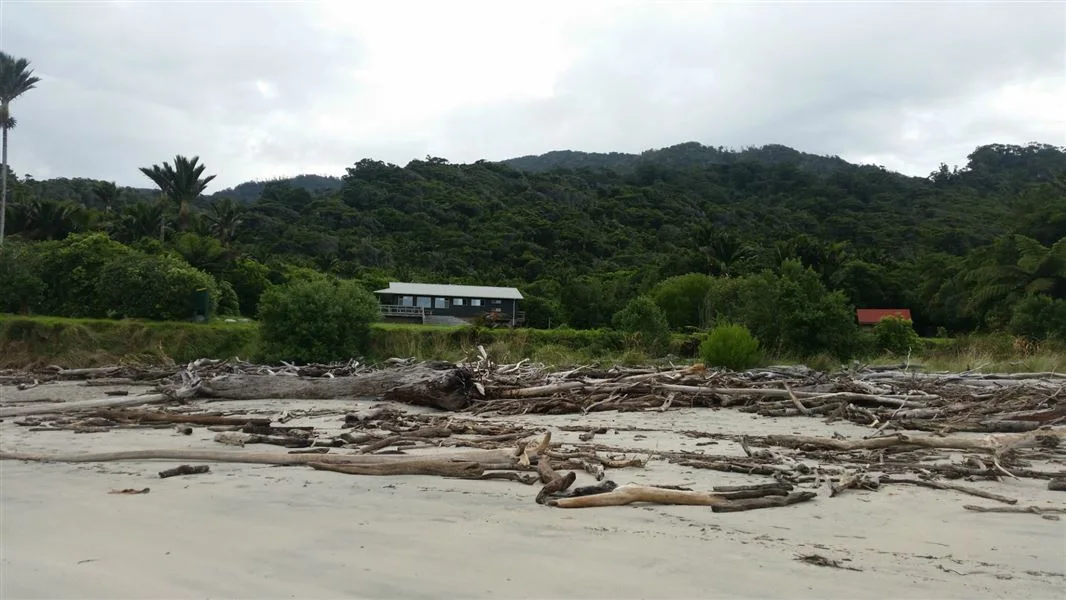
Illustrative photograph. View of Heaphy Hut and Heaphy campsite. DOC identifies this photograph with the named campsite; it is not a live view of current conditions. Accommodation-planning illustration of Heaphy Hut and its setting, not a claim about booking availability or cabin facilities.
Photo: Amy Rutledge / Department of Conservation (NZ) / CC BY 4.0 / DetailsCompare a backcountry hut, campground cabin and campsite by access, sleeping setup, cooking, water and flexibility before choosing your overnight stay.
Last checked 21 October 2026 / By Outdoor Next / Editorial standards
On this page
Choose the access and sleeping arrangement together, not just the accommodation name. A hut reached on foot, a campground cabin and a tent pitch solve different problems. Start with what your group needs overnight, how much it can carry and whether the journey remains appropriate for everyone.
Decide what must be provided
Write down the essentials before comparing photographs: a private sleeping space, bedding, cooking equipment, toilets, drinking water, step-free access or somewhere to manage wet clothing. Mark each as essential, preferred or something you can supply yourself. Ask about the exact booked product, not the property in general.
A cabin label does not establish an ensuite bathroom or kitchen. Likewise, a campsite with a kitchen does not necessarily supply cookware. Treat those as questions for the operator. If a facility is essential and the answer is missing, leave the option unconfirmed rather than assuming the most convenient interpretation.
Understand what a hut category means
A serviced hut is not the same product as a serviced motel room. DOC's hut-category guidance distinguishes several levels of provision and stresses checking individual huts. For example, cooking facilities and a warden are possible features of serviced huts, not universal promises.
DOC's backcountry-hut introduction describes accommodation more basic than a backpacker hostel. Plan to provide your own food, sleeping bag and utensils; do not expect a shop, bed linen or showers. Confirm the particular hut's equipment and water advice before packing. A listed supply does not establish that water can be drunk untreated.
Compare the whole overnight
| Choice | Questions that change the decision |
|---|---|
| Backcountry hut | Is the approach within the group's abilities, and what must be carried? |
| Campground cabin | Which sleeping, bathroom and cooking facilities belong to this unit? |
| Tent or vehicle site | Is the setup accepted, and which shared services can guests use? |
| Town accommodation | How will you reach the walk, return and manage equipment? |
Compare the equipment you must carry as well as the accommodation charge. Add transport and any separately priced services using current quotes. A lower overnight charge can still require gear or arrangements your group does not have.
Let the approach rule out unsuitable options
Use the walking-track selection guide and the official route description before choosing a hut. Do not substitute a hut's comfort category for a track grade. Check the approach, exit and seasonal conditions independently; a bed reservation does not make the route appropriate.
The Land Safety Code emphasises matching the trip to your skills and changing plans for the weather. A hut should not become an improvised rain alternative if reaching it adds hazards, distance or unfamiliar terrain. Consider an accessible-to-you accommodation option with a different journey, or postpone.
Turn the choice into a booking
Once the product fits, use our campsite and hut booking guide to coordinate the nights. Keep confirmation of the exact room, bunk or site type and any essential facilities. Ask about practical access requirements directly rather than relying on a broad accessibility label.
For a hut stay, continue with hut etiquette. For serviced campground options, compare the campsite directory and ask operators the unanswered questions before paying.
Cover: View of Heaphy Hut and Heaphy campsite. Illustrative planning photograph, not a current service or availability report. Photo, source and licence. Guide sources reviewed 21 October 2026.
Sources & official links
- About DOC huts (Department of Conservation)
- Hut categories: facilities and fees (Department of Conservation)
- Land Safety Code (Department of Conservation)
Frequently asked questions
Does a DOC serviced hut provide bedding and meals?
Do not assume that. DOC's general backcountry-hut guidance says visitors provide their own sleeping bag, food and cooking utensils. Check the individual hut for its particular facilities.
Does booking a cabin guarantee a private bathroom or kitchen?
No. Read the exact accommodation product and ask the operator what is private, shared, supplied or separately charged. The word cabin alone does not establish those facilities.
Is a hut a weather backup for a campsite?
Not automatically. It may require a different route, equipment or booking. Assess access and availability before treating it as an alternative; unsuitable conditions may require a different trip entirely.
Keep planning