Area & getting there
Whatamango Bay Campsite
DOC campsite reference point, not a verified entrance or individual pitch.
Official location information: Department of Conservation (new tab)Location source & precision
- Reference coordinates
- -41.26882, 174.07436 (latitude, longitude)
- Precision
- WGS84 coordinates retained at the official service's returned precision; decimal resolution is not survey accuracy. Source positional accuracy is not specified.
- Source
- DOC Maps campsite reference point (WGS84), exact official-page asset ID (new tab)
Department of Conservation - Location source checked
Read the full guideArrival, planning and local advice
- Coastal camping east of Picton with riverbank erosion precautions.
- Avoid eroded riverbank and taped-off ground. Check Port Underwood Road conditions.
- No generators; quiet hours 9:30 pm-6:30 am. No rubbish disposal.
- Camping styles
- tent, campervan, caravan
- Fees
- NZ$15 per adult (18+) per night, non-powered. Recheck the total for your dates.
- Water
- DOC describes stream-fed, untreated water. Treat before drinking; carry a reserve.
Coastal camping east of Picton with riverbank erosion precautions.
Build slack around the ferry
Whatamango is reached east of Picton via Waikawa and Port Underwood Road. It can fit a ferry itinerary, but do not calculate check-in margins from the campsite's proximity alone. Include packing, the road journey and the ferry operator's own reporting requirements. For a late arrival, have the booking and basic equipment ready before disembarking so the final part of the day does not require sorting through all your luggage.
Select ground before the view
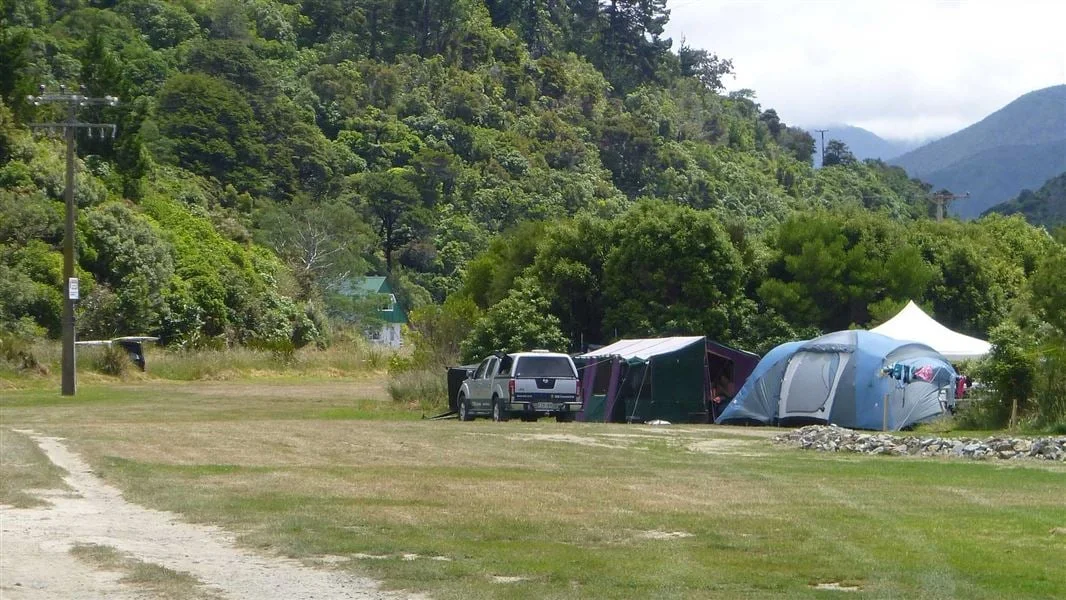
The campground is beside the bay, with a riverbank that DOC identifies as partly eroded. Inspect the camping area before choosing where to settle and keep well away from barriers or questionable edges. There is no need to make the water the centre of every activity; a quiet meal and an organised rest stop can be enough between travel days. Keep children's play space and vehicle movement clearly separated within your group.
Make arrival and departure quiet
Book the overnight before travelling. If your schedule involves unusual hours, prepare a compact evening routine that avoids repeated vehicle movements and prolonged unpacking. Put breakfast, headlamps and the next day's clothes where they can be reached quickly. Plan to leave with your rubbish, including food scraps and recycling. Check that everyone knows the departure time, then allow a buffer so a forgotten item does not turn the morning into a rushed exit.
Check the official campsite information for current restrictions, facilities and booking arrangements.