Area & getting there
Onamalutu Campsite
DOC's published campsite reference point, not a surveyed entrance or individual pitch.
Official location information: Department of Conservation (new tab)Location source & precision
- Reference coordinates
- -41.45852, 173.70637 (latitude, longitude)
- Precision
- Published DOC reference coordinates; not a claim of survey accuracy. Source positional accuracy is not specified.
- Source
- Onamalutu Campsite: published Location coordinates (new tab)
Department of Conservation - Location source checked
Read the full guideArrival, planning and local advice
- Reserve the correct powered or non-powered site category before arrival.
- Adult rates are NZ$10 non-powered or NZ$15 powered per night.
- Flush toilets are listed; untreated tap water must be boiled.
- The Wakamarina Track starts 8 km away, not directly at the campsite.
- Setting
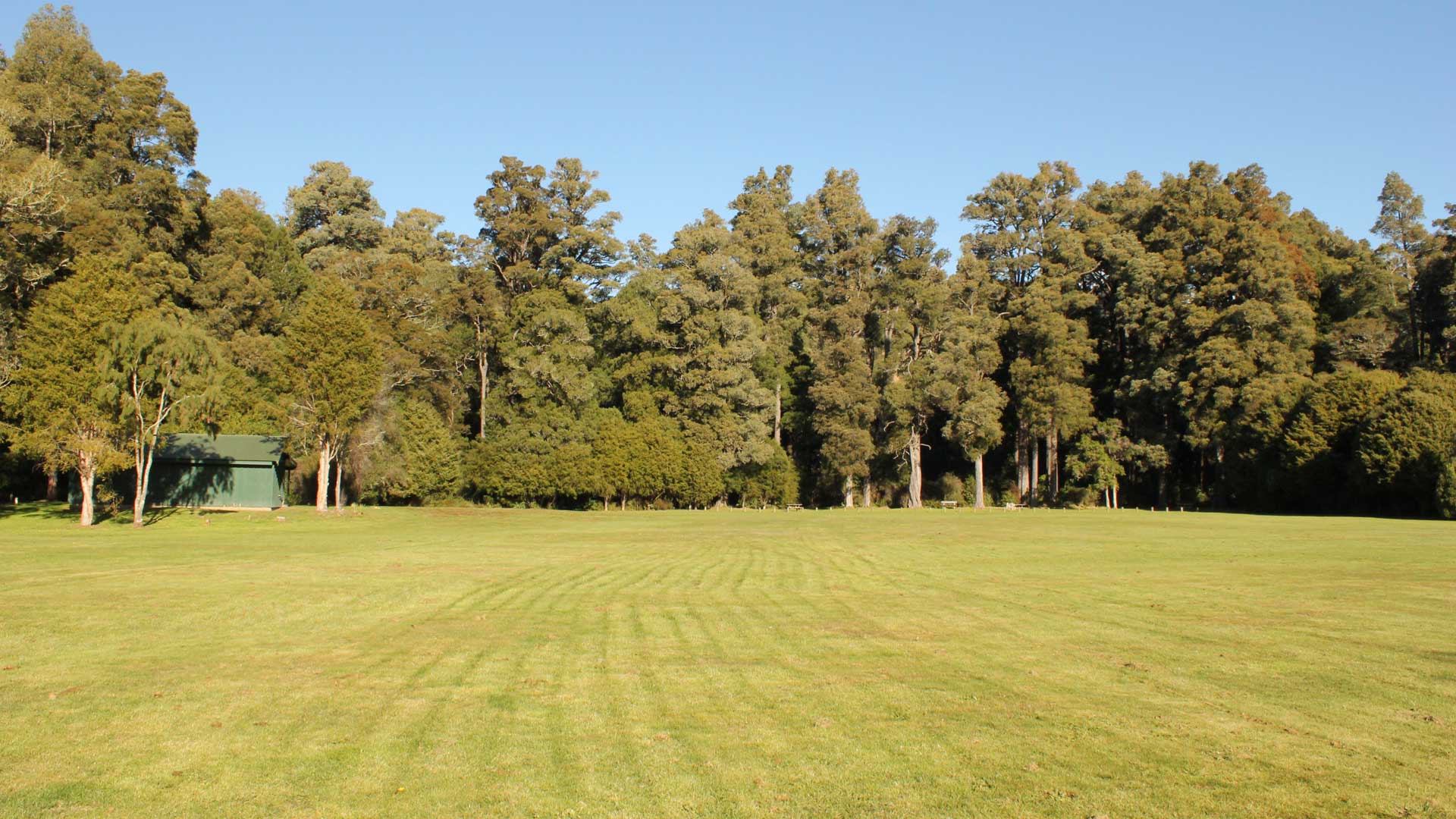
- Remnant podocarp forest inland from Blenheim
- Approach
- Northbank Road from SH6, then Onamalutu Road
- Stay types
- Tent, campervan and caravan access listed
- Adult fee
- NZ$10/night non-powered; NZ$15/night powered
- Verified facilities
- Powered options, flush toilets and untreated tap water
- Seasonal caution
- Wasps, particularly in late summer and autumn
Onamalutu is a forest camping option inland from Blenheim, with powered pitches as well as non-powered spaces. The DOC campsite listing is more useful than a general holiday-park assumption: a power connection does not establish a full suite of indoor services.
Select the power category deliberately
Adult non-powered camping is NZ$10 nightly, while powered camping is NZ$15. Reservations are required. Compare the two categories against what you actually need to run, rather than adding power automatically to a short tent stay.
For a caravan or motorhome, confirm the connection and equipment requirements before travel. Keep the booking category with your confirmation so arriving group members do not set up on an apparently convenient but differently allocated site.
Follow the inland approach
DOC's directions leave SH6 for Northbank Road, then turn into Onamalutu Road. Check current Marlborough road notices before committing to the approach, particularly following severe weather.
Prepare the last stage of the journey before leaving reliable navigation access. A campground pin helps locate the destination, but does not describe a safe turning area or settle whether your vehicle combination suits any temporary road restrictions.
Pack around confirmed facilities
Flush toilets and untreated tap water are listed. Boil the water before use and carry drinking water for arrival. Showers, an equipped kitchen and laundry have not been confirmed, so make independent arrangements for those needs.
Organise cooking and washing equipment where it can be reached without unpacking the entire vehicle. For a wet forecast, think through where clean bedding and dry clothing will remain protected during setup rather than assuming a communal indoor room will be available.
Keep forest time and hiking plans distinct
The campground sits in remnant podocarp forest. DOC places the Wakamarina Track start eight kilometres away, so a planned hike needs its own transport, timing and route assessment.
Be alert for wasps in late summer and autumn, and keep food managed carefully. Dogs and cats are not allowed. Our wet-weather camping guide can help decide whether your equipment suits the forecast before you leave town.
Source: Department of Conservation. Information is paraphrased under DOC's CC BY 4.0 reuse terms.
Common questions
Does Onamalutu have powered sites?
Yes. DOC lists powered sites at NZ$15 per adult nightly, compared with NZ$10 for non-powered camping. Reserve the appropriate category; a non-powered booking does not include power.
Does power mean there are showers and a kitchen?
No. Those facilities have not been verified. DOC confirms flush toilets and untreated tap water, so bring your own cooking equipment and plan washing needs accordingly.
Can I start the Wakamarina Track at my pitch?
DOC places its start 8 km from the campground. Plan transport and the walk separately, using current track conditions and a route appropriate for your group.