Area & getting there
Moke Lake Campsite
DOC campsite location point, not an individual pitch or verified entrance.
Official location information: Department of Conservation (new tab)Location source & precision
- Reference coordinates
- -44.99812, 168.57309 (latitude, longitude)
- Precision
- Stored to 5 decimal places (roughly 1 m resolution), not a claim of survey accuracy. Source positional accuracy is not specified.
- Source
- Moke Lake Campsite: published Location coordinates (new tab)
Department of Conservation - Location source checked
Read the full guideArrival, planning and local advice
- Moke Lake Campsite requires a booking before you occupy a site.
- DOC describes the winter access road as 4WD only.
- The tap water is untreated and must be boiled before use.
- DOC lists no tap water from May to September.
- Location
- Moke Lake, Queenstown area, Otago
- Camping and access
- Non-powered/tent sites; car, campervan, caravan and 4WD access, subject to winter restrictions
- Bookings
- Required, including for Campsite Pass holders
- Facilities
- Cooking shelter, non-flush toilets and untreated tap water
- Winter water
- No tap water from May to September
- Restrictions
- No dogs or fires
Moke Lake Campsite requires a booking before you occupy a site. This standard DOC campground in the Queenstown area offers non-powered tent sites and vehicle access, but its winter road restrictions and seasonal water supply need attention. Use the official Moke Lake listing for current notices and reservations.
Choosing Moke Lake
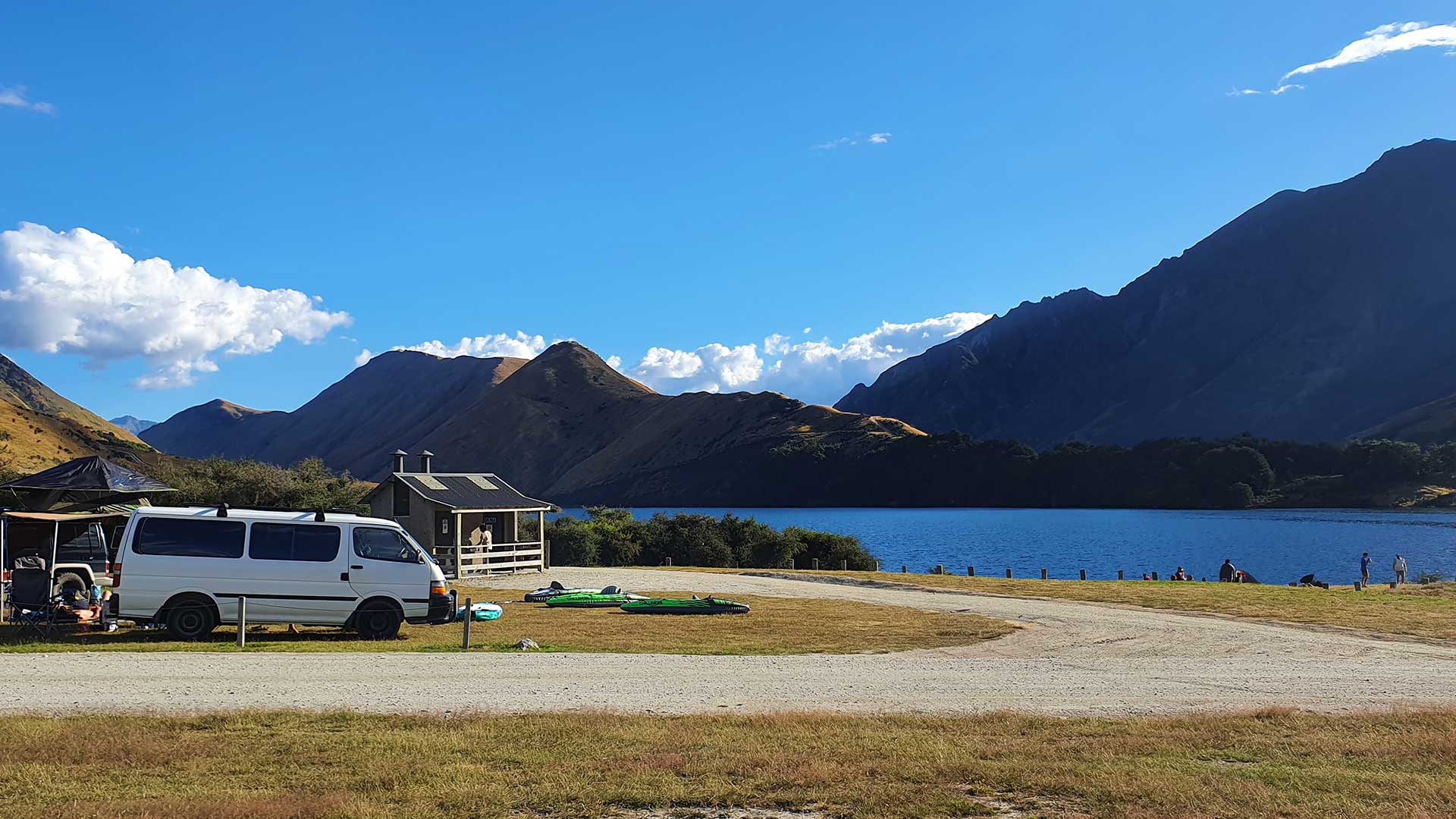
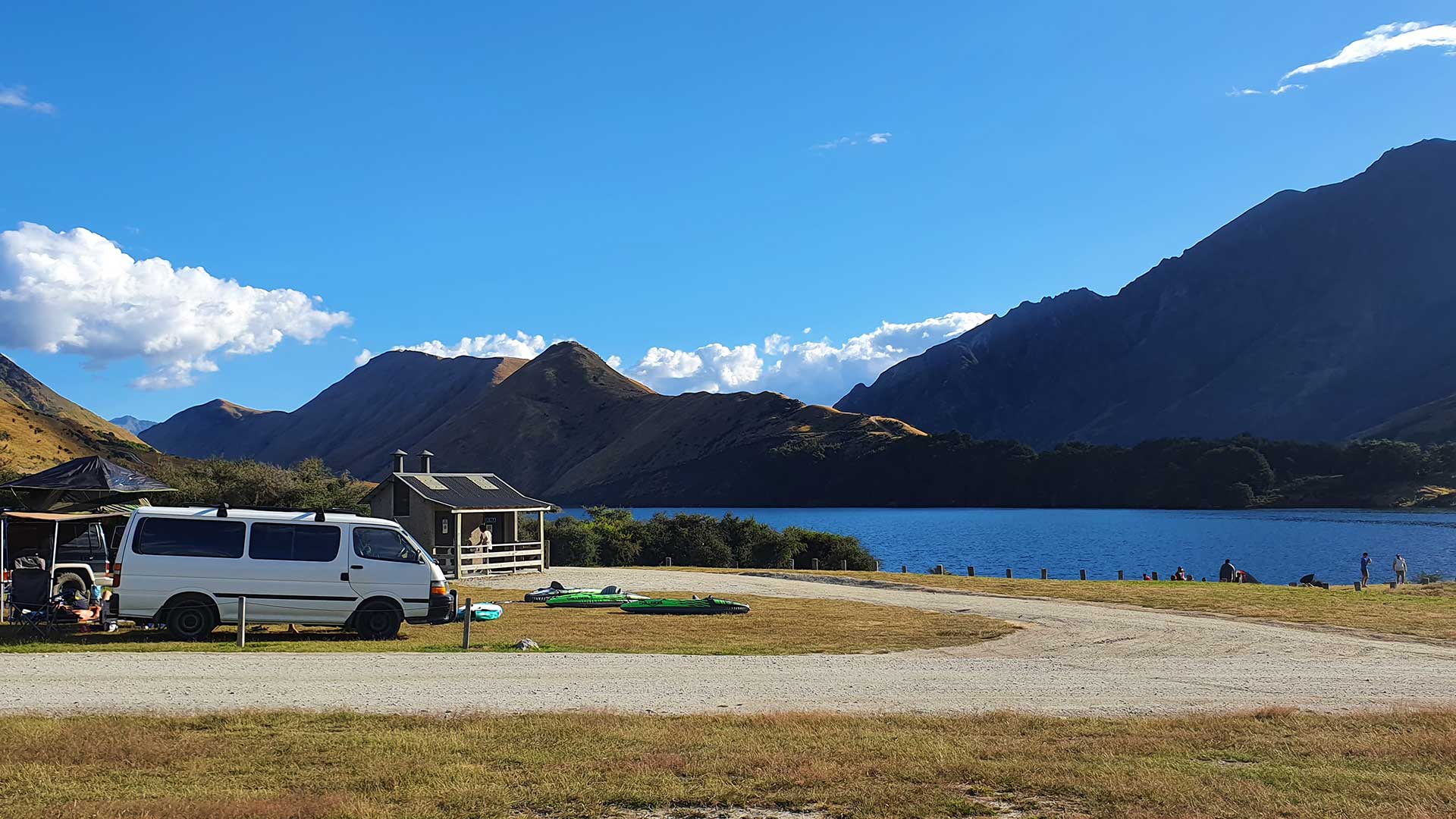
DOC places the campground beside the lake and lists a cooking shelter, non-flush toilets and untreated tap water. Consider it when you want a lakeside camping stay and can bring your own sleeping and cooking equipment. Do not assume a shelter includes appliances or that a lakeside location guarantees drinking water.
The access categories include cars, campervans, caravans and 4WD vehicles. Those categories describe the campsite, not a promise that the approach suits every vehicle in every season. Check the road instructions before choosing your transport or committing to a stay.
For a broader comparison of facilities, read our DOC campsites guide. Identify what your group needs each evening, then compare it with the facilities actually listed.
Bookings and arrival preparation
At the time of checking, DOC lists nightly fees of NZ$18 for adults aged 18 and over, NZ$9 for children aged 5 to 17, and no charge for younger children. Confirm the current total through DOC before paying. Campsite Pass holders also need an online reservation before occupying a site.
DOC keeps no spaces for unbooked arrivals. The booking limit reflects infrastructure capacity, not simply how much ground appears empty, so visible space is not permission to camp when bookings are full.
The listing mentions limited Wi-Fi at the camp manager's van and a manager during summer. Arrange your reservation before travel rather than making that connection part of your arrival plan. Save the confirmation email, which DOC accepts as booking evidence, and read any arrival instructions it contains.
Road access and winter planning
DOC's campsite directions turn from Glenorchy Road into Moke Lake Road, followed by a gravel approach. Read those directions alongside current notices instead of treating a navigation app's route as an access assessment.
DOC describes the winter access road as 4WD only. A summer visit or a campsite booking does not establish that your vehicle can make a winter trip. Ask DOC about current access, and check any hire-vehicle restrictions with the vehicle provider before travelling.
| Decision | What to check |
|---|---|
| Vehicle | Current road advice and suitability of your specific vehicle |
| Dates | Winter access restrictions and seasonal water availability |
| Arrival | Confirmed booking and instructions saved before departure |
| Change of plan | Another authorised overnight option with suitable access |
Water and packing
The tap water is untreated and must be boiled before use. DOC lists no tap water from May to September. Treat the seasonal notice as a reason to confirm supply for your dates, not to assume the taps restart on the day your itinerary changes seasons.
Bring drinking water and work out how you will meet cooking and washing needs. Use DOC's camping gear list and our packing list for sleeping gear, warm layers, waterproof clothing, lighting and hygiene supplies. Pack food so it can be stored securely overnight.
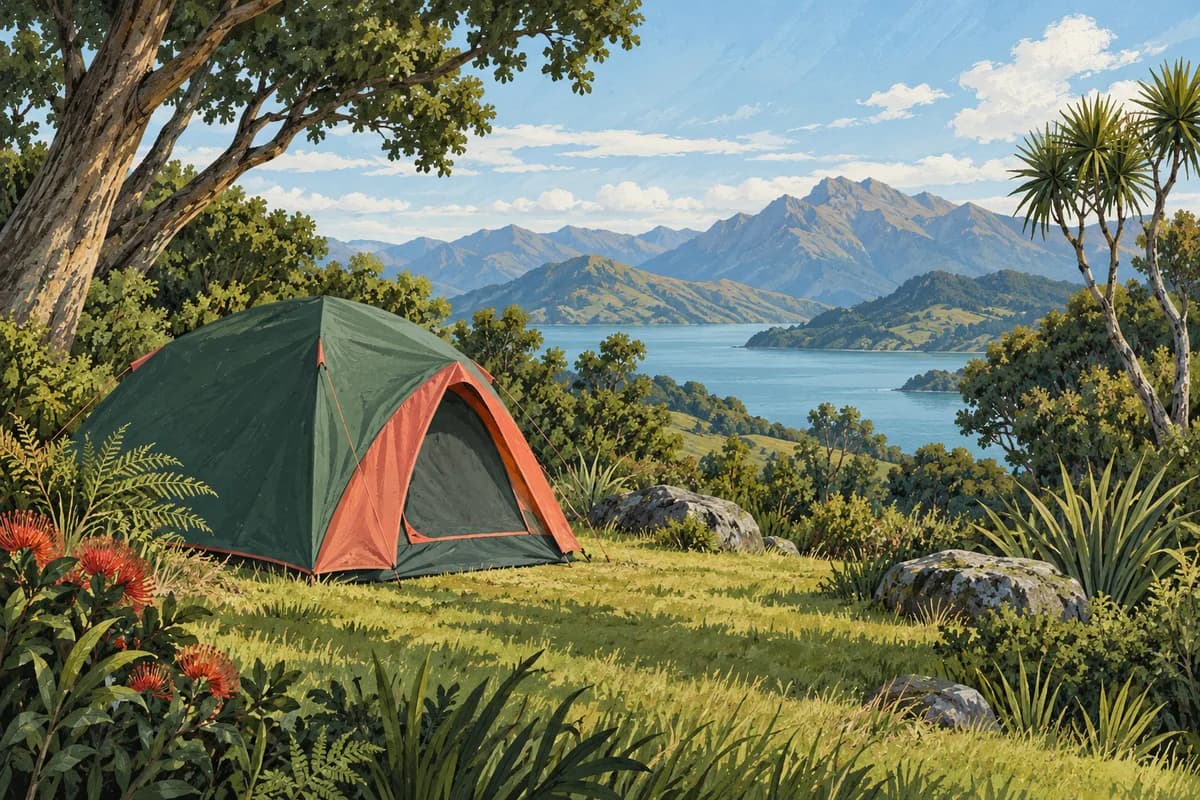
DOC lists no dogs and no fires at this campsite. Read the current notices before deciding what equipment to bring; a photograph of someone else's camp is not evidence of permission.
Walking from the lake
DOC describes the Moke Lake Loop Track as an undulating circuit through grassland, with a boardwalk protecting wetland at the southern end. Mountain bikes are prohibited on the peninsula and adjoining track sections because of erosion; follow the marked restrictions.
Apply the Land Safety Code to any outing: choose a suitable trip, check the weather and share your plans. Our Queenstown Hill guide covers a separate walking option; it is not an extension of the lake circuit.
Before you go
- Confirm the booking and current fee on DOC's campsite page.
- Check road access for your vehicle and season.
- Confirm water availability and pack drinking water.
- Read DOC alerts and use our conditions page for forecast checks.
- Review walking or biking restrictions separately from the campsite booking.
- Keep an alternative overnight plan if access or conditions change.
Source: Department of Conservation. Official information is paraphrased under DOC's CC BY 4.0 reuse terms.
Common questions
Do I need to book Moke Lake Campsite?
Yes, including when using a DOC Campsite Pass. DOC does not hold spaces for unbooked arrivals; check the official page for current availability and fees.
Can I take a campervan to Moke Lake?
DOC lists campervan access, but describes the road as 4WD only in winter. Confirm current access and your vehicle's suitability before travelling.
Can I drink the tap water at Moke Lake?
DOC identifies the tap water as untreated and says to boil it before use. No tap water is provided from May to September, so confirm the current supply and bring drinking water.