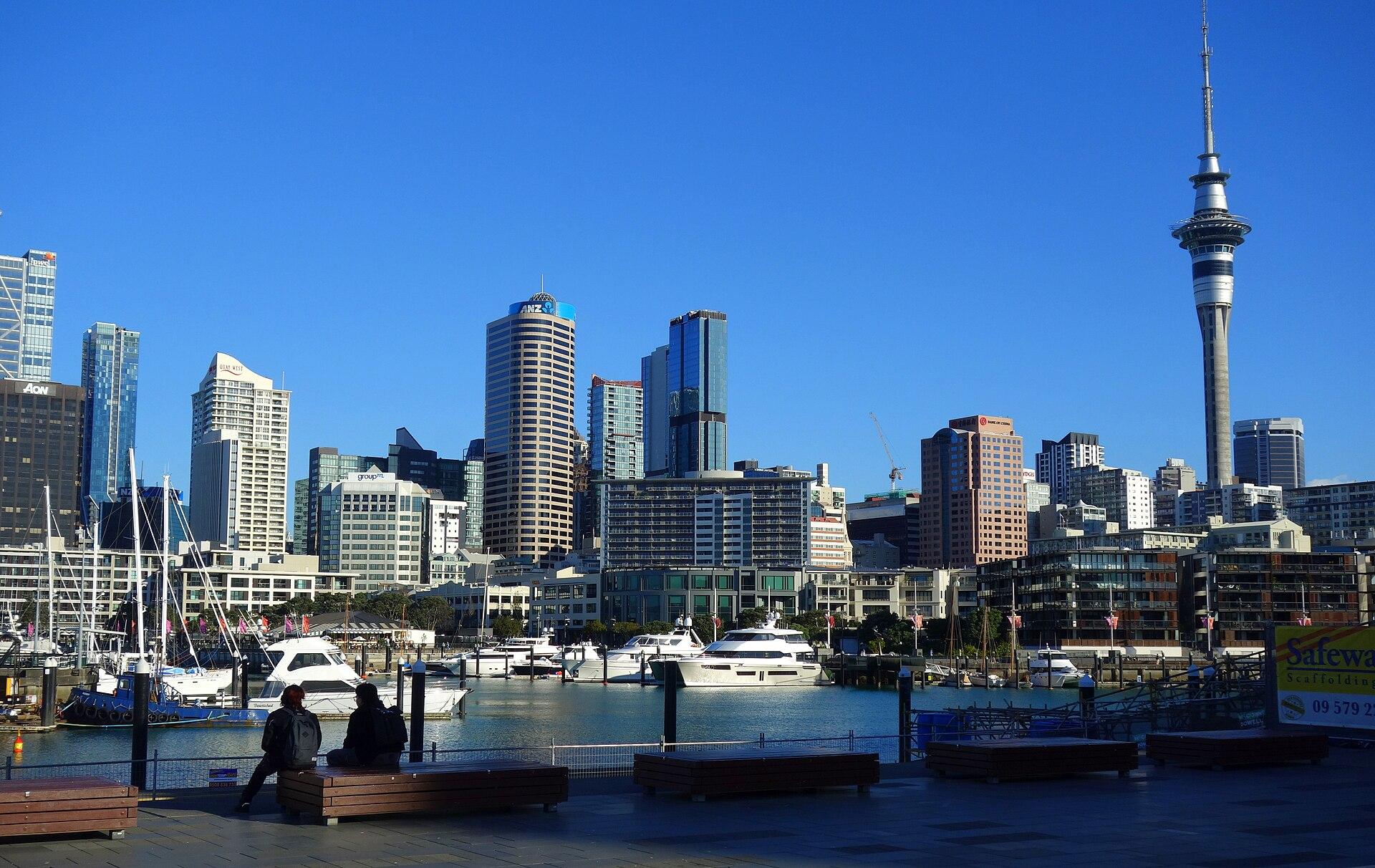
自由露營規定 / Auckland
奧克蘭(Auckland)免費露營:規則、兩晚上限與罰款
奧克蘭免費露營:僅限自足式車輛,每處最多兩晚,上午 9 點前離開,罰款最高 $800。不可搭帳篷,不可在保護區露營。2026 年 9 月 13 日核查。
Checked 13 September 2026
可以在哪裡露營
Check New Zealand freedom camping rules, the June 2026 green-warrant transition, local restrictions and alternatives for tents and non-self-contained vehicles.
最近核實 2026年10月23日
11 篇指南
自由露營規定 / Auckland
奧克蘭免費露營:僅限自足式車輛,每處最多兩晚,上午 9 點前離開,罰款最高 $800。不可搭帳篷,不可在保護區露營。2026 年 9 月 13 日核查。
Checked 13 September 2026
周邊環境
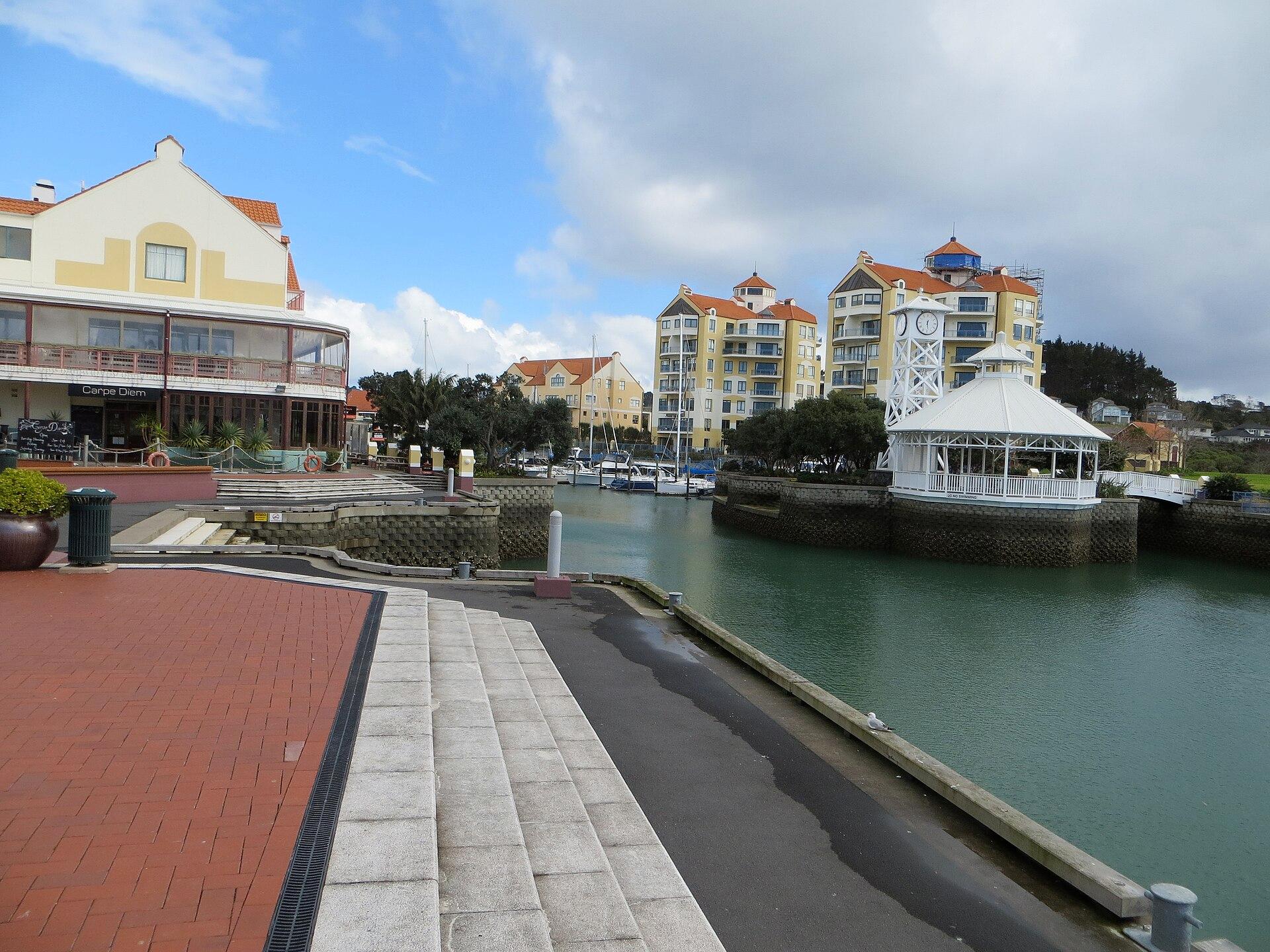
Waterside buildings at the head of Gulf Harbour, photographed in 2014. Area context only; this is not Hammerhead Reserve's designated overnight parking area.
照片: Johnragla / CC BY-SA 4.0 / 詳情自由露營規定 / Auckland
Gulf Harbour Hammerhead Reserve 的露營條件(來自 9 月的審核),以及需查看目前地圖的事項和營地替代選擇。
Checked 13 September 2026
周邊環境
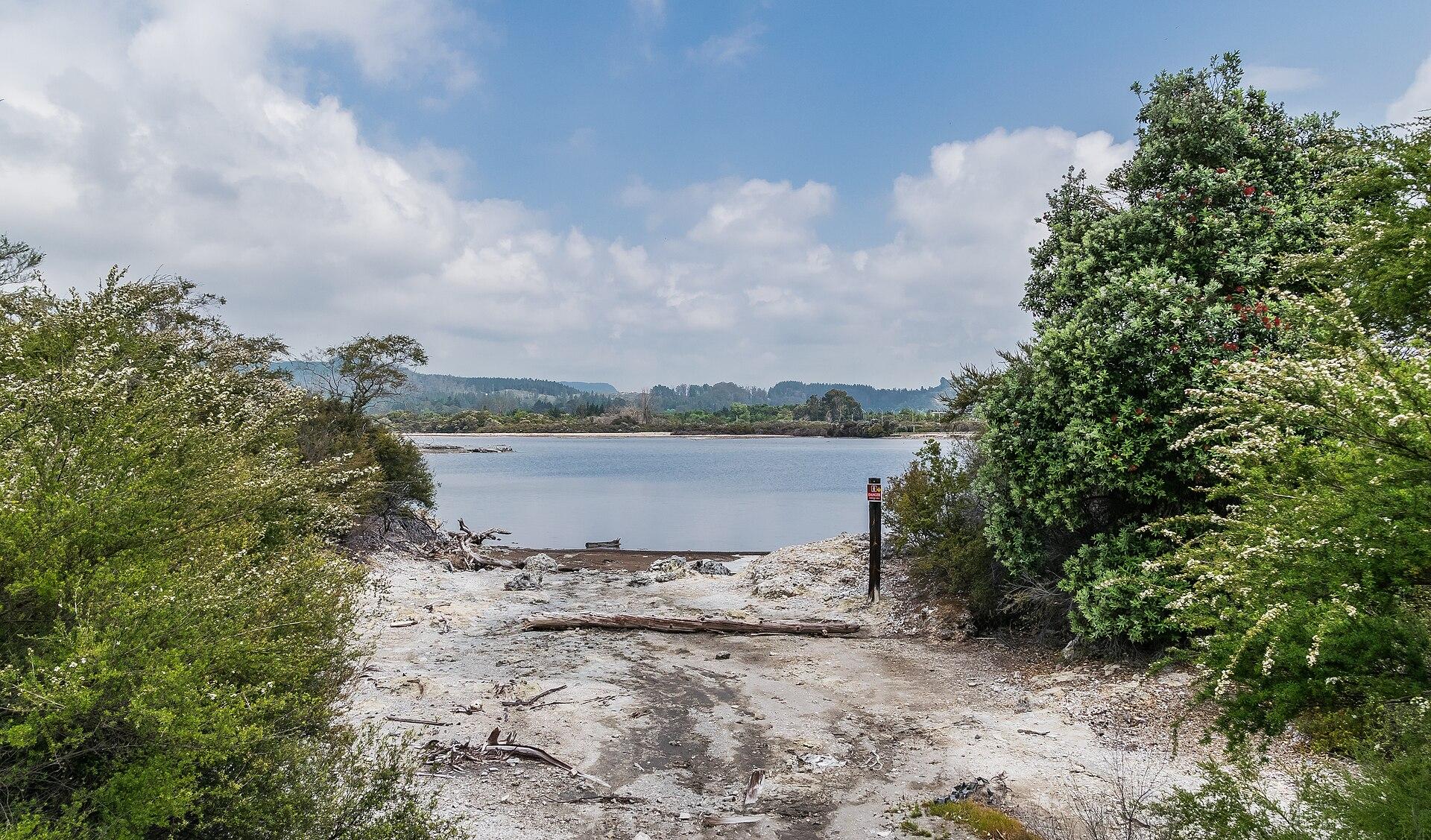
Lake Rotorua's shoreline at Sulphur Point in 2017. Landscape context only; this reserve view does not show a designated camping area.
照片: Krzysztof Golik / CC BY-SA 4.0 / 詳情自由露營規定 / Bay of Plenty
Rotorua Lakes Council 列出三處供自足式露營車使用的免費場地和三處收費湖畔保護區,每處都是每個日曆月最多兩晚。
Checked 24 September 2026
周邊環境
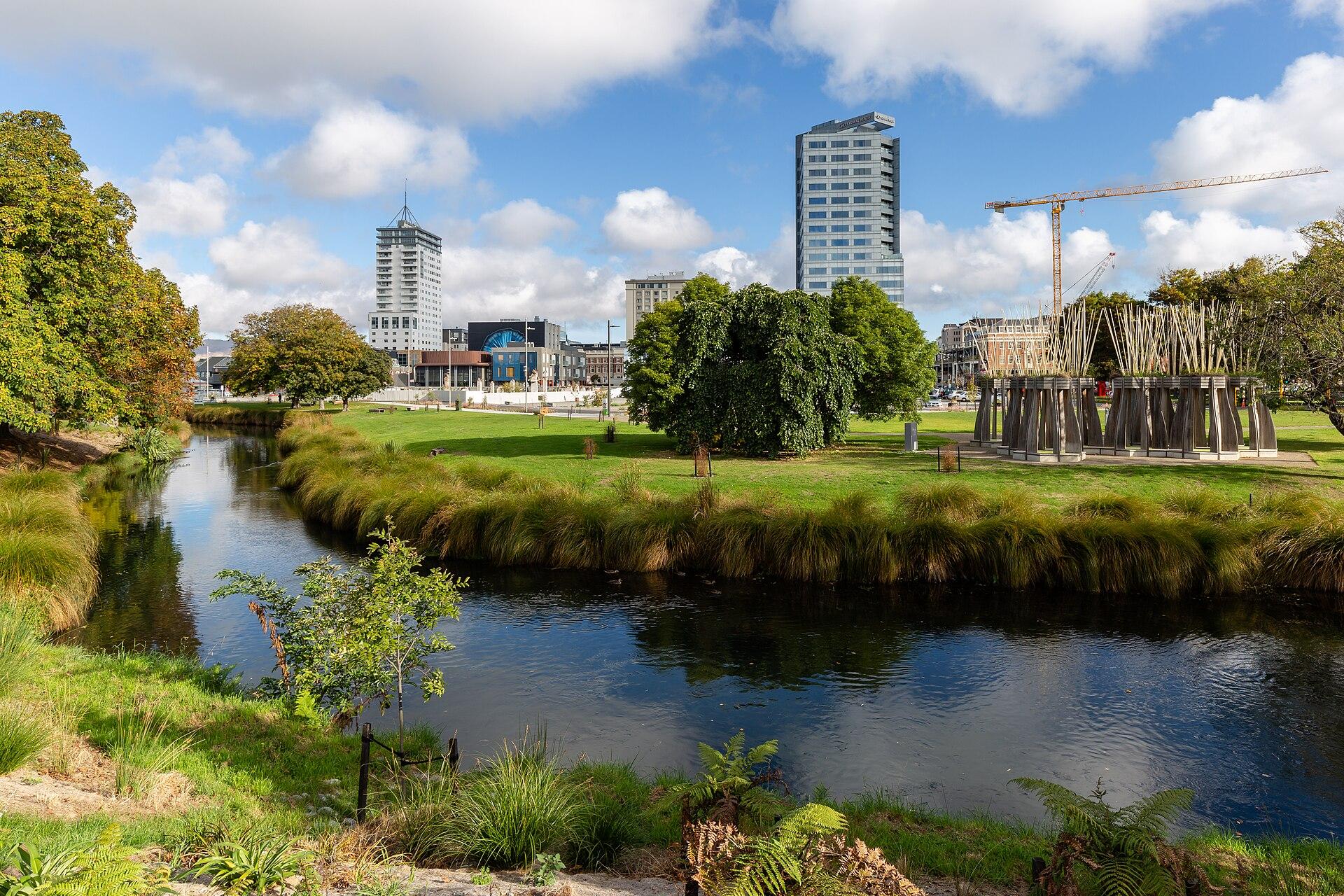
The Avon River and central Christchurch in 2019. City context only; the riverbank is not presented as a freedom camping site.
照片: Michal Klajban / CC BY-SA 4.0 / 詳情自由露營規定 / Canterbury
基督城和 Akaroa 的免費露營規則:green warrant、禁止區域、兩晚上限,以及單獨的沿海區域上限。
Checked 24 September 2026
周邊環境
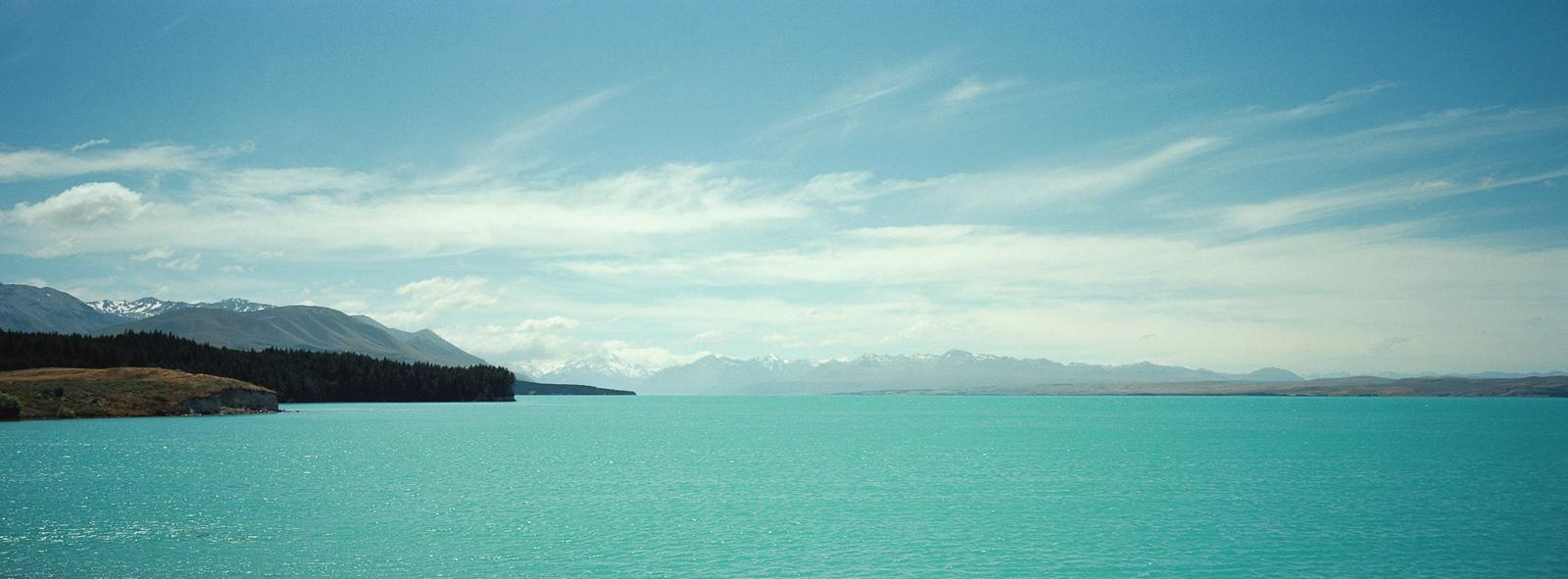
Lake Pukaki from its southern shore in 2013. Lake context only; The Pines camping zones are not shown or identified.
照片: Christopher Crouzet / CC BY-SA 3.0 / 詳情自由露營規定 / Canterbury
普卡基湖 The Pines 免費露營:僅限自足式車輛,不允許搭帳篷或生火,每月 3 晚,設有廁所。LINZ 場地資訊核查於 2026 年 10 月 28 日。
Checked 28 October 2026

AI 插圖
AI-generated illustration of a lakeside campervan scene in the Mackenzie Basin; not a photograph of any Lake Tekapo camping area and not evidence of where you may stay.
插圖: Outdoor Next / AI-generated artwork / AI 生成插圖 / 詳情自由露營規定 / Canterbury
蒂卡波湖鎮區禁止免費露營。這裡介紹可以改住哪裡、議會對 Lake Alexandrina 和 Lake McGregor 已確認和未確認的資訊,以及在哪裡排汙。
Checked 28 October 2026
周邊環境
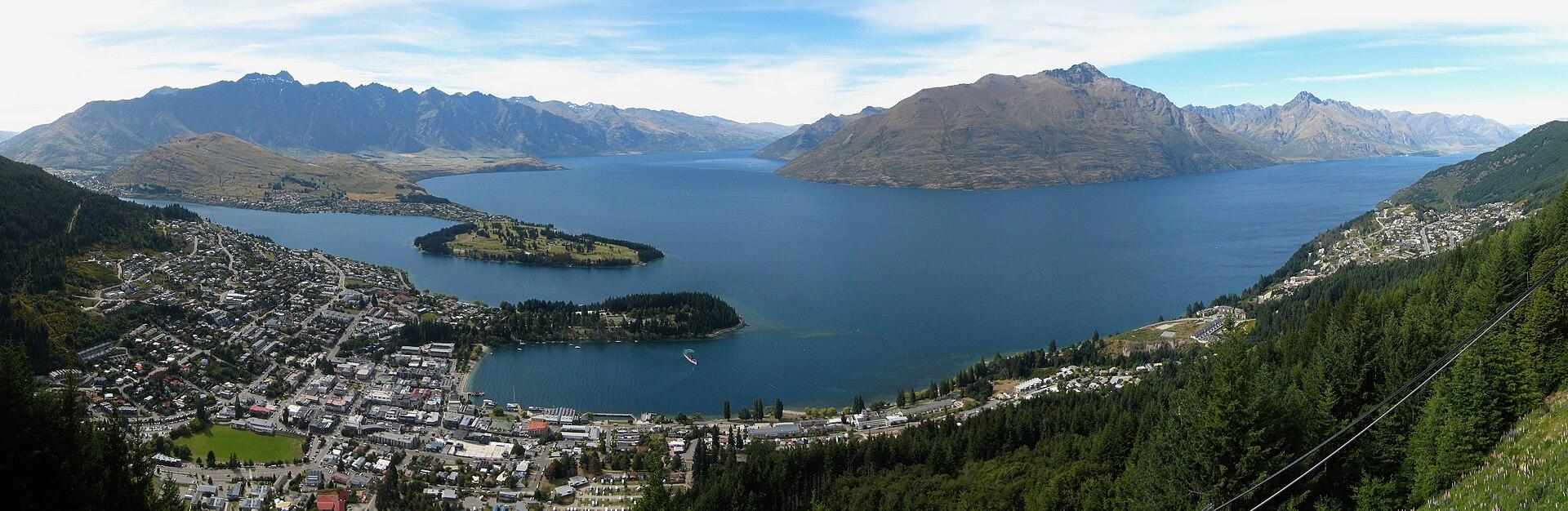
Queenstown and Lake Wakatipu from the gondola viewpoint in 2009. Town and landscape context only, not a guide to permitted overnight parking.
照片: Avenue / CC BY-SA 3.0 / 詳情自由露營規定 / Otago
皇后鎮的免費露營(freedom camping)僅限經認證的自足式車輛,在指定停車場或符合條件的鄉村道路上進行。瞭解場地、時間限制和罰款。
Checked 13 September 2026
周邊環境
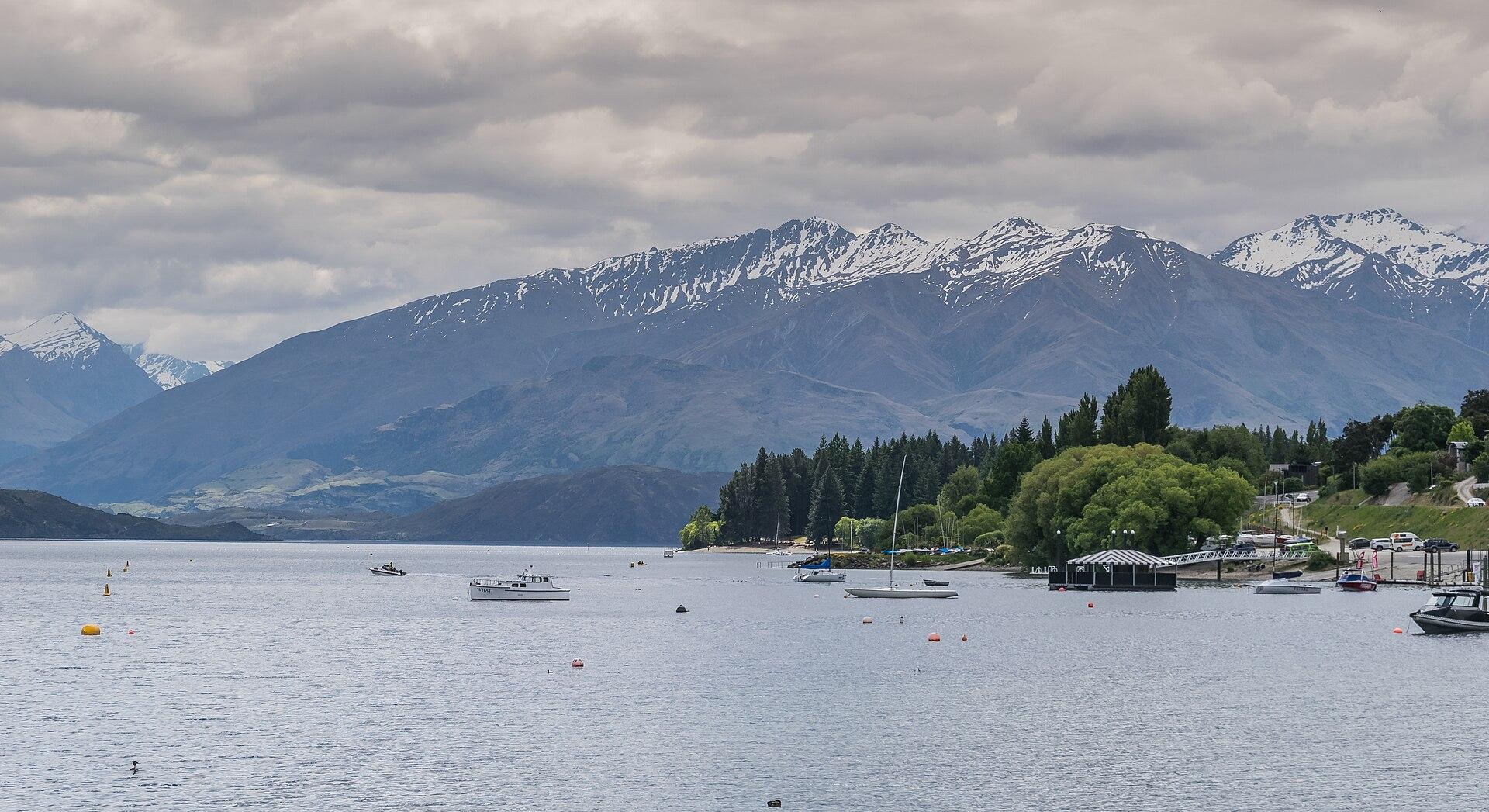
Lake Wanaka from the town waterfront in 2017. Area context only; the shoreline and visible parking are not identified as permitted overnight sites.
照片: Krzysztof Golik / CC BY-SA 4.0 / 詳情自由露營規定 / Otago
瓦納卡免費露營:僅限自足式車輛,使用 QLDC 停車場,30 天內最多 2 晚,不允許搭帳篷。Roys Peak 禁止免費露營。2026 年 9 月 13 日核查。
Checked 13 September 2026
周邊環境
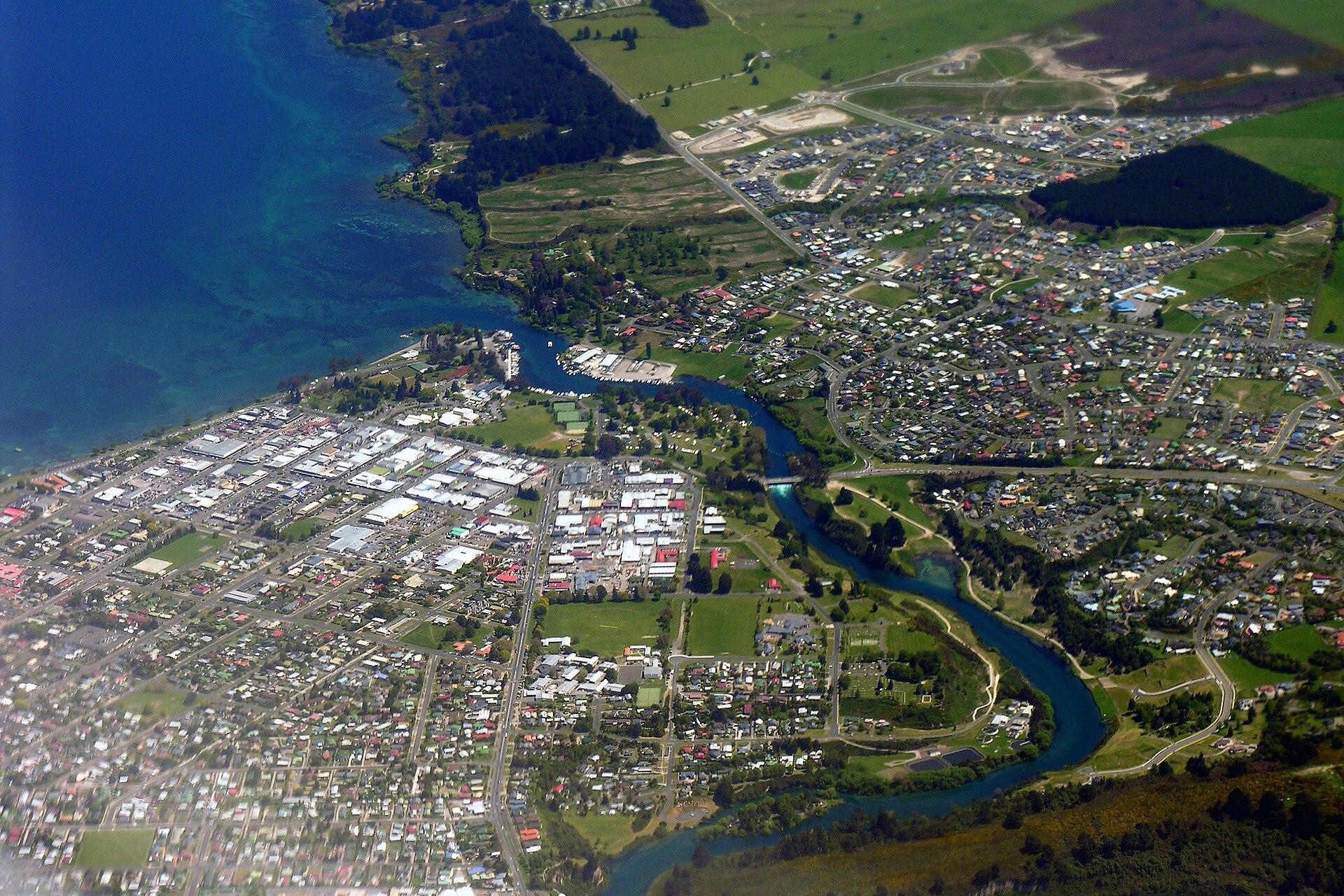
Taupo township, Lake Taupo and the Waikato River outlet in a 2005 aerial photograph. Area context only; this historical view does not identify current camping areas.
照片: Phillip Capper / CC BY 2.0 / 詳情自由露營規定 / Waikato
陶波議會管理的露營區、green warrant 要求和排汙站,包括 Mangakino 更短的兩晚上限和夏季一晚上限。
Checked 24 September 2026
周邊環境
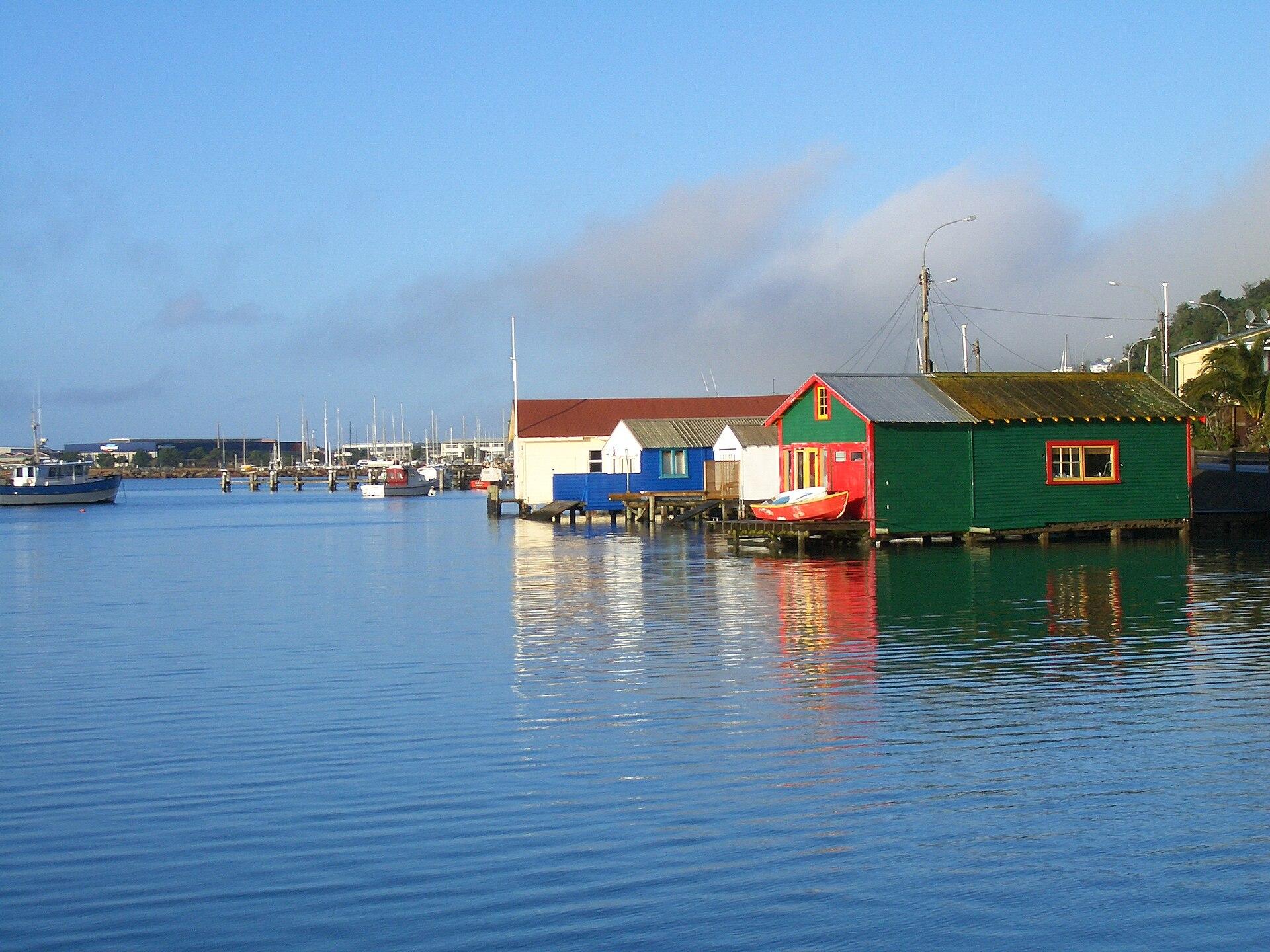
Evans Bay boatsheds and marina in a 2006 photograph. Area context only; the designated camping bays at the south end of the marina car park are not shown.
照片: Wainuiomartian / CC BY-SA 4.0 / 詳情自由露營規定 / Wellington
Evans Bay Marina 自足式露營:52 個車位、免費、每月 4 晚、車長不超過 7 米,僅限停車場南端。2026 年 9 月 13 日核查。
Checked 13 September 2026
周邊環境
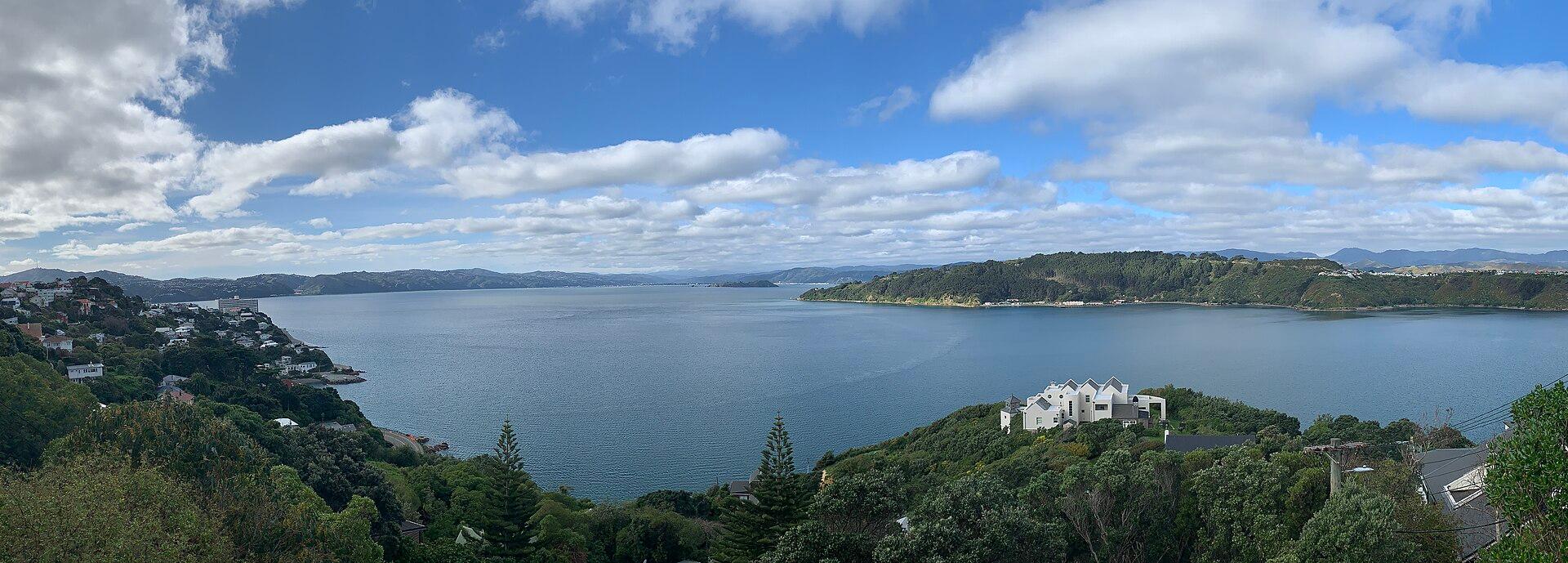
Wellington Harbour from Roseneath in 2021. Harbour context only; no designated overnight parking spaces are identified.
照片: Tom Ackroyd / CC0 1.0 / 詳情自由露營規定 / Wellington
Wellington City 的露營場地、車輛限制和營地替代選擇。目前能否進入須經議會確認;也可能需要支付停車費。
Checked 13 September 2026
Short answer: Vehicle-based freedom camping on council land generally requires certified self-containment unless the site permits non-self-contained vehicles. Since 7 June 2026, old blue warrants no longer count as self-containment certification.
Checked 23 October 2026: this transition has finished. A blue sticker with a later printed expiry is not a substitute for current certification; permission to stay at the location must be checked separately.
The Plumbers, Gasfitters and Drainlayers Board confirms the move to green warrants. A certified vehicle has a certificate, a green warrant card and an entry on the national SCV Register. A promotional sticker alone is not proof.
Certification requires more than carrying a portable toilet. The vehicle must meet the applicable requirements, including a fixed toilet. Ask a PGDB-appointed certification authority about a conversion or modification rather than assuming a self-built setup qualifies.
PGDB's checklist also includes water supply, wastewater, ventilation, a sink and rubbish storage. A green promotional sticker is optional and has no official certification status; check the displayed warrant card, certificate and current register entry instead.
A green warrant does not override a local prohibition, a marked-space restriction or a stay limit.
| Question | Where to check |
|---|---|
| Is the vehicle currently certified? | PGDB's guidance and linked SCV Register |
| Is overnight camping permitted here? | The council, DOC or other land manager |
| Does permission cover this bay and vehicle? | Official site map, conditions and signs |
| Is it open for these dates? | Current closure notices and the land manager |
| Is there room when I arrive? | The marked area; keep a lawful backup |
Do this before travelling, then read the signs on arrival. An app listing, old review or another parked camper is not permission. If a sign conflicts with an old online description, ask the authority or use another confirmed site.
Council rules are local. They can distinguish streets, reserves and designated overnight areas, and neighbouring districts need not use the same limits. Search by the actual council area rather than assuming a town's rules cover the surrounding countryside.
DOC's freedom camping guidance describes a different permission regime on conservation land: freedom camping is generally allowed unless prohibited or restricted. It does not impose a green-warrant requirement on every conservation area. Its prohibited and restricted areas list matters even where no sign is present. In DOC-administered scenic and recreation reserves, camping requires a designated campsite or DOC approval; absence from a list is not a general invitation to camp.
Do not apply a council map to land managed by LINZ, DOC or a private owner. Establish who manages the particular site and seek their current conditions. A public road beside a lake does not establish public camping access to the lake shore.
Tent campers and travellers without certification should choose a campsite that explicitly accepts their setup. Ordinary campground camping is distinct from freedom camping, but each campground can still set entry and facility requirements.
Start with choosing a campsite and our DOC campsite guide. Compare water, toilets, access and booking arrangements before committing to a route. Do not assume a free campsite is unregulated or that a paid site supplies every service.
For a hired van, confirm its certification and sleeping capacity before pickup. A relocation discount does not change camping rules: see campervan relocations.
Plan drinking water, toilet use and wastewater disposal before arrival. Use designated disposal facilities; do not empty tanks into ordinary drains or campsite toilets unless the operator explicitly permits it. Carry away rubbish and keep vehicle access clear.
DOC warns that breaching freedom camping rules may result in a fine. The current amounts were not verified in this review; check the relevant authority's current offence guidance rather than relying on an old quoted figure.
See also Camp responsibly, the dated camping fines overview and verified rule changes.
No. Certification concerns the vehicle. Councils and other land managers can prohibit camping or restrict the area, hours, spaces and stay length.
Not as self-containment certification for freedom camping. PGDB says the transition ended on 6 June 2026; only green warrants are recognised from 7 June.
Choose a campground that accepts it or an explicitly permitted non-self-contained site. Do not use a self-contained-only area.
Check the particular land manager's rules. Vehicle certification is not a tent permit, and some councils prohibit freedom camping in tents. Bookable campgrounds may be a more practical choice.